


Secrets to the Best Gold Extraction Methods: Efficient and Eco-Friendly Gold Extraction Technologies to Help You Easily Boost Your Income
- The key to the best gold extraction method lies not in a specific chemical agent, but in a customized combined gold extraction process tailored to the properties of the ore.
- High-efficiency, environmentally friendly gold extraction technology is based primarily on carbon-in-leach (CIL) and carbon-in-pulp (CIP) processes, supplemented by gravity separation, flotation, and environmental protection measures.
- Environmental protection—including dry tailings disposal, recycled water reuse, and mercury-free configurations—is more than just a slogan.
- The scale of the processing plant, investment, and recovery rate vary by ore; process validation must come before equipment selection.
- The journey from ore sample to full-scale production involves multiple stages; the more thorough the preliminary validation, the fewer reworks will be needed later.
Why is it that, for the same gold processing plant, switching to a different gold extraction method can reduce gold loss in tailings? Let me tell you: the problem rarely lies with the equipment; rather, the extraction process was not tailored to the specific characteristics of the ore from the very beginning.The core of this high-efficiency, eco-friendly gold extraction technology we\'re breaking down today can be summed up in one sentence: First, figure out where the gold is hidden; then decide whether to recover it using gravity separation, flotation, or carbon-in-leach.
I. What Is This Solution?
Let\'s start with the core: This is a customized gold extraction process centered on carbon-in-leach/carbon-in-pulp (CIL/CIP), combined with gravity separation and flotation based on the ore\'s occurrence characteristics, and supported by dry tailings disposal and recycled water reuse.
It is not a “one-size-fits-all” gold extraction agent, nor does it rely on exaggerated claims about chemical performance. Rather, it is a comprehensive process combination tailored to the properties of the ore: for ores where gold is primarily in a free state, gravity separation is used for early recovery; for ores where gold is encapsulated in sulfides, flotation is used for initial enrichment;for fine-grained, disseminated gold deposits, carbon-in-leach (CIL) is used to dissolve the gold under alkaline conditions, followed by adsorption and recovery using activated carbon. Environmental protection is not an afterthought but a mandatory requirement built into the process. The value of this gold extraction method lies in tailoring the process to the ore, rather than forcing the ore to conform to the process.
II. What Problems Does It Solve?
First, the core issue: It specifically addresses four problems caused by processes that are ill-suited to the ore—low recovery rates, gold loss in tailings, chemical waste, and significant environmental pressure.
Low recovery rates are often caused by a failure to understand the exact nature of gold occurrence. In gold ores containing arsenic, carbon, or fine-grained encapsulated gold, conventional leaching rates are very low—the gold isn\'t absent; it\'s simply “locked” in. Repeatedly adding reagents and equipment while still failing to achieve satisfactory results stems from a process that doesn\'t address the root cause.
Chemical waste is another common issue. High consumption is often linked to insufficient grinding fineness, interference from ore slurry, and improperly selected dosing points. If particle size and permeability aren\'t properly controlled in heap leaching, leaching rates will drop accordingly.
Who needs this gold extraction process the most? Investors in new processing plants whose ore samples have not yet been validated; operators of existing plants with unstable performance metrics who want to upgrade their technology but fear production shutdowns; and resource owners dealing with difficult-to-process materials, such as arsenic- and carbon-bearing ores or tailings reprocessing.Fine-grained disseminated ores, such as those at the Qianxinan Gold Mine, and gold-bearing sulfides, such as those at the Zijinshan Gold-Copper Mine, are examples of ores that require process flows tailored specifically to the ore and cannot be addressed using a one-size-fits-all approach. Environmental compliance is also an indispensable consideration; issues such as tailings management and water reuse must be thoroughly addressed during the design phase.
III. Core Components and Principles
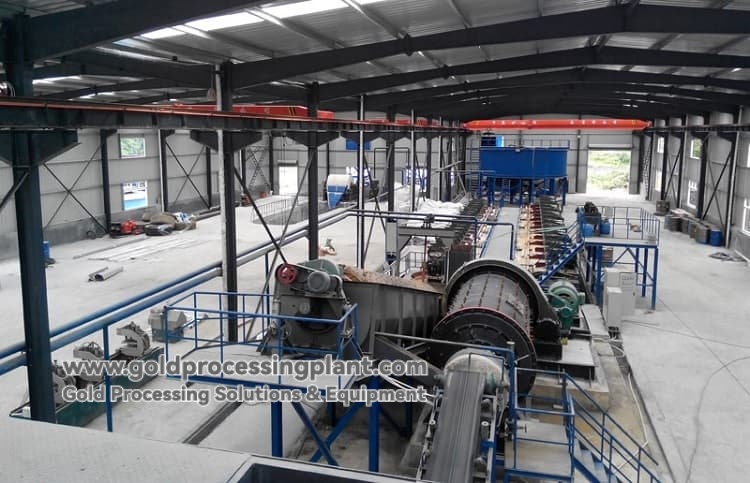
First, the core: The entire gold extraction solution consists of five modules—mineral processing tests, process determination, crushing and grinding, separation and recovery, and dewatering and environmental protection—with each subsequent step determined by the preceding one.
Main Process Flow: Mineral processing tests → Process determination → Crushing and grinding → Separation and recovery (gravity separation/flotation/carbon-in-leach) → Electrolytic extraction → Gold consolidation; Tailings → Thickening and filter press → Dry tailings disposal → Recycled water reuse.
- Mining Tests and Process Determination: Conduct tests on representative ore samples, including gravity separation, open-circuit/closed-circuit flotation, cyanide leaching, CIL/CIP comparisons, and heap leaching and column leaching tests. Without this step, the subsequent stages are like “the blind men feeling an elephant.”About 80 percent of rock gold mines in the industry use flotation, but whether your mine is suitable depends on the test results.
- Crushing and Grinding: Follow the principle of “crush more, grind less”—maximize the workload in the crushing stage and minimize power consumption in the grinding stage. The goal is to achieve individual liberation of gold minerals from gangue. Coarse gold particles are pre-separated using a centrifugal separator in the grinding circuit to prevent loss due to over-grinding.
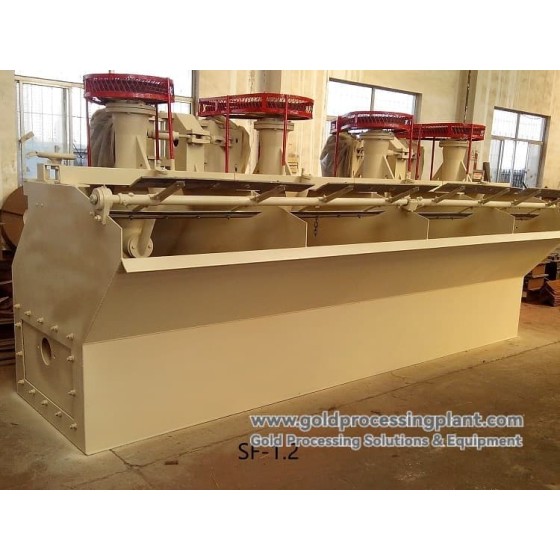
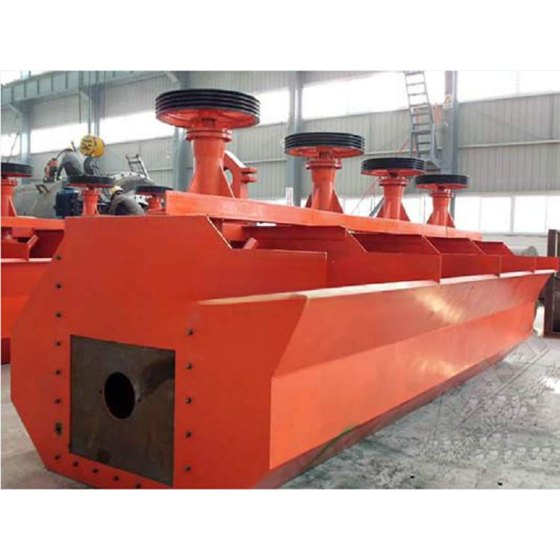
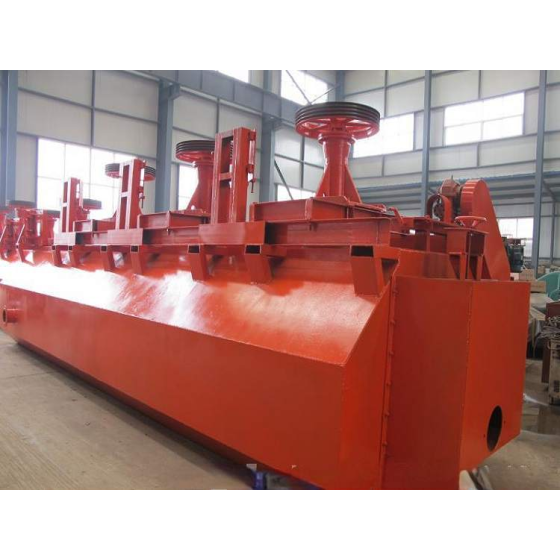
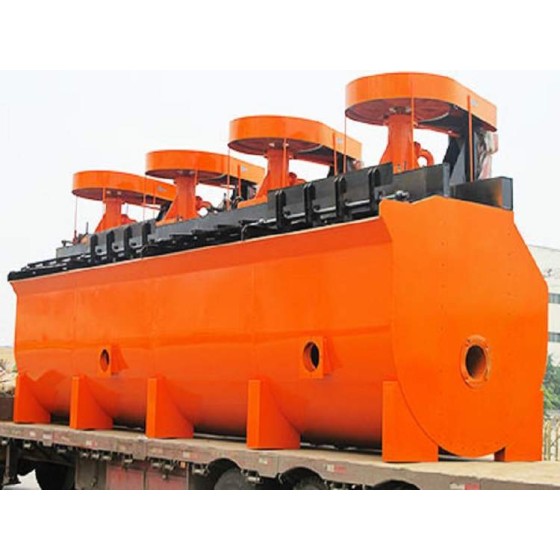
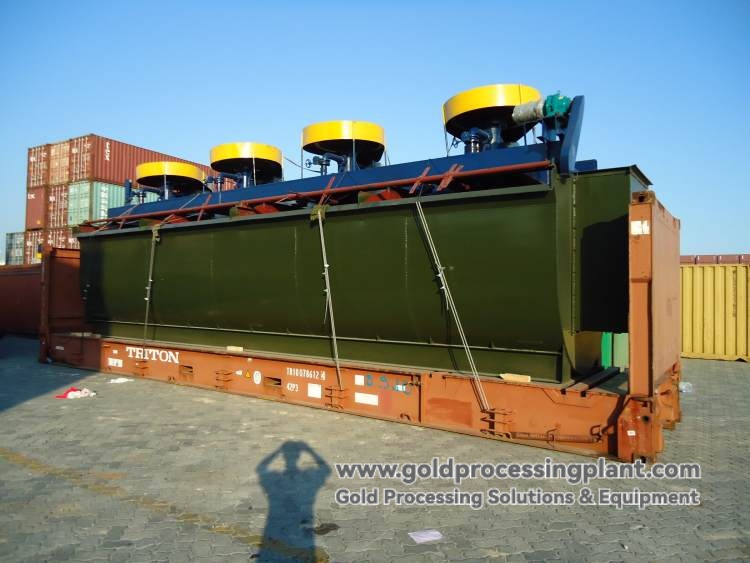
- Concentration and Recovery: This is the backbone of the process, with the route determined by the ore characteristics. Gravity separation relies on density differences and is suitable for free gold; flotation uses collectors and frothers to float gold-bearing sulfides to the surface, making it suitable for fine-grained disseminated and polymetallic ores;CIL/CIP dissolves gold into solution under alkaline conditions and then adsorbs it onto activated carbon; CIL combines leaching and adsorption in a compact process, while CIP performs leaching before adsorption, allowing for more precise control; heap leaching is suitable for low-grade oxidized ores and old tailings.
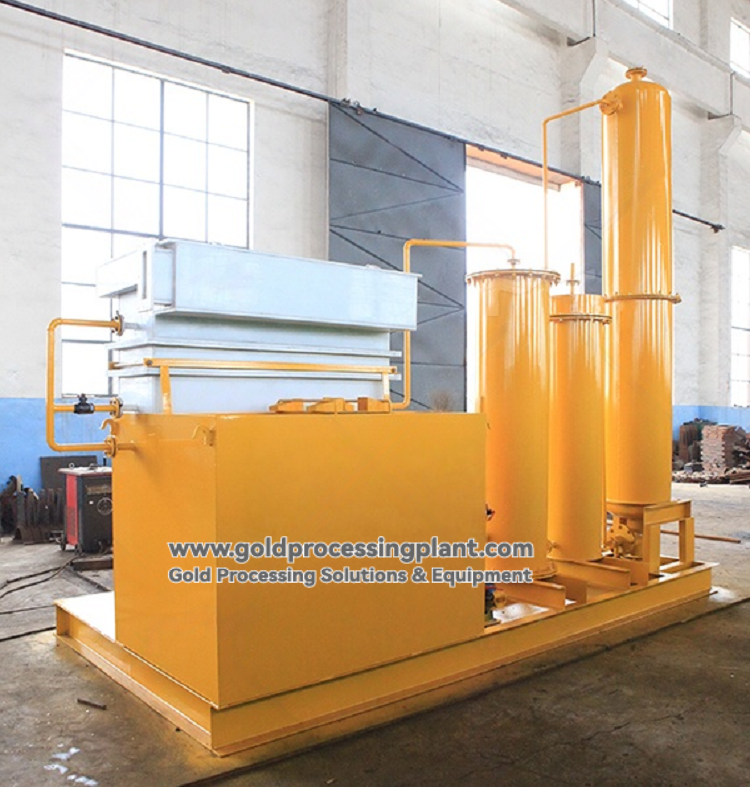
- Stripping, Electrolysis, and Smelting: Gold-bearing carbon is subjected to acid leaching, stripping, and electrolysis to produce gold slurry, which is then smelted into gold ingots. When treating heap leaching precious metal solutions with zinc powder displacement, the solution must first be clarified, filtered, and deoxygenated; otherwise, the reagents will be wasted.
- Dewatering and Environmental Protection: A thickener combined with a plate-and-frame filter press compresses the tailings into filter cakes, enabling dry tailings disposal; the recirculating water system recovers most of the process water; at small-scale mining sites, a gold mill combined with gravity separation can replace mercury, meeting mercury-free requirements.
Simply put, this gold extraction method involves three steps: liberating the gold, adsorbing it onto carbon, and thoroughly managing environmental impacts—tailored to each mine, not based on a one-size-fits-all approach.
IV. Why Choose It (Advantages)
First, let\'s address the core: Its advantage does not lie in any single, exceptionally impressive metric, but rather in the seamless integration of the process with the ore and equipment, clear delineation of responsibilities, and controllable environmental performance.
While traditional gold extraction methods rely on a one-size-fits-all process, this highly efficient and environmentally friendly technology first identifies where the gold is present before determining whether to use gravity separation, flotation, or carbon-in-leach—the difference often lies not in the chemicals, but in the approach.
- Process Tailored to the Ore: Equipment configurations for quartz vein-type, altered rock-type, and fine-grained disseminated-type ores are inherently different, and the processes for fissure gold and inclusional gold also differ. Deriving a process based on the ore\'s characteristics is far more reliable than simply copying competitors\' blueprints.
- Process-Equipment Integration: Crushers, ball mills, centrifuges, flotation cells, and carbon-in-leach tanks are all manufactured by the same team according to the blueprints, ensuring seamless interfaces and optimal production capacity alignment.
- Solutions for difficult-to-process ores: Ores containing arsenic, carbon, or fine-grained encapsulated minerals should undergo pretreatment before leaching, rather than being processed using conventional methods.
- Environmental Protection Integrated into the Process: Measures such as using alkaline conditions to suppress reagent volatilization, dry tailings disposal, and recycled water reuse are established during the planning phase to avoid having to redo work after the plant is built.
|
Dimensions |
Traditional Single-Process Flow |
This Gold Extraction Solution |
|
Process Route |
A Single Process for All Ore Types |
Selection based on ore occurrence: gravity separation, flotation, or carbon-in-leach |
|
Coarse-grain gold |
Prone to loss during grinding |
Early and excessive recovery in the grinding circuit |
|
Difficult-to-process ore |
Conventional leaching recovery is low |
Pre-treatment followed by leaching |
|
Environmental Protection |
Tailings treatment is often performed as a post-process |
Design for dry tailings disposal and reuse at the front end |
It should be noted that investment scale and recovery rates vary significantly depending on ore properties, processing scale, and site conditions; therefore, they cannot be summarized by a single figure. No responsible gold extraction plan would make absolute promises without considering the specific ore conditions.
V. Applicable Scenarios and Limitations
First, the key point: the best results are achieved with oxidized ores, free gold, and conventional rock gold deposits; for difficult-to-process ores, conduct validation tests first—do not rush to install equipment.
For ores where gold exists in a free state, with simple gangue and no interfering elements, direct whole-ore heap leaching is the most straightforward approach; for placer gold deposits, follow the route of ore washing—screening—gravity separation;Low-grade oxidized ores and old tailings are suitable for heap leaching. Our project experience spans locations including Ghana, Mali, and Tanzania in Africa; Peru and Colombia in South America; and Kazakhstan in Central Asia, with a wide range of processing scales—all following the principle of “tailoring the process to the ore.”
We also thoroughly explain situations requiring caution: in ores containing arsenic, carbon, or antimony, carbonaceous materials can reabsorb dissolved gold, while arsenic can encapsulate the gold, resulting in very low conventional leaching rates—pre-treatment is therefore essential;Gold encapsulated in fine particles is invisible to the naked eye and cannot be recovered no matter how finely the ore is ground; these particles must be released by first flotation to concentrate the sulfides;Mineral slurries with high clay and silt content become sticky and have poor permeability; for heap leaching, pelletization is required, and for agitated leaching, dispersants must be added; In remote mining areas, power supply is unstable and transportation is difficult during the rainy season; equipment must be equipped with power generation and voltage stabilization devices, and logistics must be planned in advance to ensure sufficient inventory.
VI. Implementation
First, the core: The process from ore sample to production involves eight stages; the more thorough the preliminary work, the fewer reworks will be required later on.
- Requirement Communication and Preliminary Assessment: Provide information on ore type, grade, expected throughput, and site conditions to conduct a feasibility assessment.
- Mineral Processing Tests and Process Validation: Conduct recoverability tests on representative ore samples to determine the recommended process flow and expected performance metrics.
- Project Confirmation and Contract: Confirm the process, equipment, scope of delivery, project timeline, and division of responsibilities item by item.
- Engineering Drawing Design: Produce layout plans, equipment foundation drawings, piping diagrams, and civil engineering requirement drawings; once core parameters are finalized, manufacturing can begin at the factory.
- Equipment Manufacturing and Supply: Manufacture core equipment according to the drawings while simultaneously advancing site preparation (“three utilities and one leveling”) and plant foundation work.
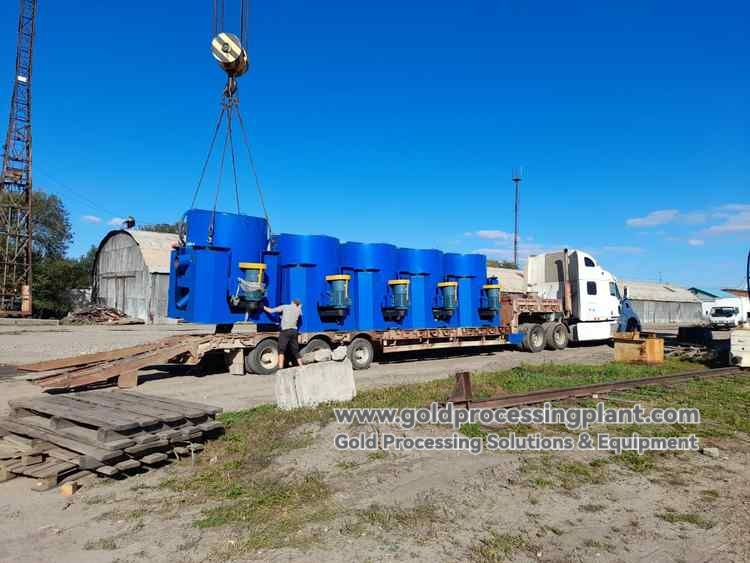
- Logistics and Shipping: Coordinate packaging, shipping, and customs clearance, allowing for a buffer period for international projects.
- Installation and Commissioning: Engineers are stationed on-site to supervise installation and lead individual unit and integrated commissioning tests with feedstock until the first batch of qualified products is produced.
- Training and After-Sales Service: We assume responsibility for equipment quality during the warranty period and, after its expiration, provide long-term spare parts supply and recommendations for process optimization.
Common causes of project delays are not due to equipment manufacturing issues, but rather initial hesitation and a failure to interleave project phases. Prioritizing civil engineering, bridging the gap between design and manufacturing, and allowing sufficient logistics buffer time—these three measures can save a significant amount of time.
VII. How to Match Gold Extraction Methods to Different Ore Types
Let\'s start with the core: The first step in selecting a gold extraction method is to determine the form in which gold is present; process pathways vary significantly depending on the type of ore.
|
Ore Type |
Characteristics of Gold Occurrence |
Recommended Gold Extraction Process |
|
Placer Gold Deposits |
Free-standing particles; no grinding required |
Ore washing—screening—gravity separation |
|
Quartz Vein-Type Rock Gold Deposits |
Fissure gold and intergranular gold; coarse and fine grains coexist |
Combined gravity separation and flotation |
|
Fine-grained disseminated type |
Gold Enclosed in Sulfides |
Flotation Enrichment + Pretreatment + Leaching |
|
Low-grade oxidized ore |
High degree of oxidation, fine gold particles |
Heap leaching or whole-ore leaching |
|
Arsenic- and carbon-bearing ores |
Carbon-trapped gold, arsenic-encapsulated |
Pre-treatment + combined process |
This table is intended as a reference for process selection, not a universal solution. Even for the same type of ore, the grain size and associated elements may vary depending on the mining area and depth; ultimately, the results of tests on representative ore samples should be the deciding factor.
VIII. Common Misconceptions When Selecting Gold Extraction Methods
First, the key point: Avoiding a few common pitfalls is more effective than purchasing additional equipment.
- Focusing only on equipment, not on the process: No matter how good the equipment\'s performance is, it won\'t yield good results if the process isn\'t tailored to the specific conditions.
- Blindly copying others\' processes: Your ore is not the same as someone else\'s; grain size and degree of silicification are sufficient to alter the entire process.
- Treating environmental protection as an afterthought: If tailings and water treatment solutions are not incorporated during the design phase, retrofitting them later will be extremely costly.
- Blindly trusting promises of absolute recovery rates: Recovery rates are determined by the ore itself; figures not based on ore sample data are meaningless.
If you need
Start with the essentials: To determine whether a high-efficiency, environmentally friendly gold extraction technology is suitable, first understand the properties of your ore before deciding whether to proceed with equipment procurement.
If the gold in the ore is primarily in a free state, or if it is a conventional rock gold deposit or low-grade oxidized ore, you may refer to the gold extraction methods described in this article;if the ore contains arsenic or carbon, consists of finely grained encapsulated particles, or is highly silty, it is recommended to first conduct process validation on representative ore samples and determine the gold extraction process and equipment configuration only after obtaining processability data. Investments in preliminary testing and design can typically be offset against future collaboration costs.Selecting the right gold extraction method is essential for ensuring that the gold beneficiation process both increases revenue and complies with regulations.