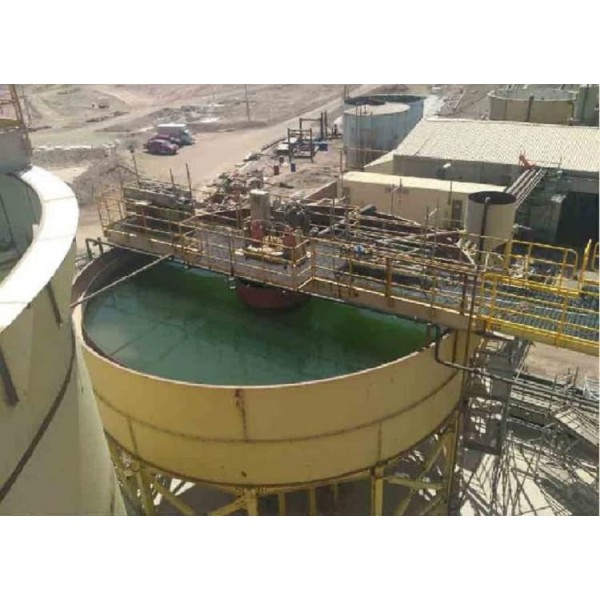
Gold Tailings Reprocessing Plant: Gold & Precious Metals Recovery
A gold tailings reprocessing plant is a systematic solution for recovering residual gold and associated precious metals from old tailings storage facilities. It involves sampling and assaying the tailings to determine recovery value, followed by selecting gravity, flotation, or cyanidation processes. Tailings are not waste; they are misplaced resources. However, not all tailings are worth reprocessing—old tailings with low grades or gold locked in unrecoverable forms may not justify the economics. This article breaks down the gold tailings reprocessing plant from value assessment, process selection, equipment configuration, to dry stacking, helping you understand feasibility before investing in equipment.
What is a Gold Tailings Reprocessing Plant?
A gold tailings reprocessing plant is a systematic solution that conducts secondary beneficiation on tailings stored in old tailings storage facilities to recover residual gold and associated precious metals. The occurrence state of gold in tailings differs from primary ore: after initial processing, residual gold often exists as fine particles, intergrowths, or locked grains, with finer sizes and poorer liberation, making reprocessing more challenging than primary ore. Additionally, long-term storage can cause oxidation and sliming, altering surface properties, so directly applying primary ore processes often yields poor results.
The core logic of GoldProcessingPlant's tailings reprocessing solution is: test first to determine recovery value, then discuss equipment configuration. We first sample and assay the tailings to determine gold grade, occurrence state, particle size distribution, and oxidation degree, assessing whether there is recovery value. If so, we design a dedicated reprocessing or retrofit process. Tailings reprocessing is not simply "running the tailings through again"—choosing the wrong process wastes more money than not processing at all.
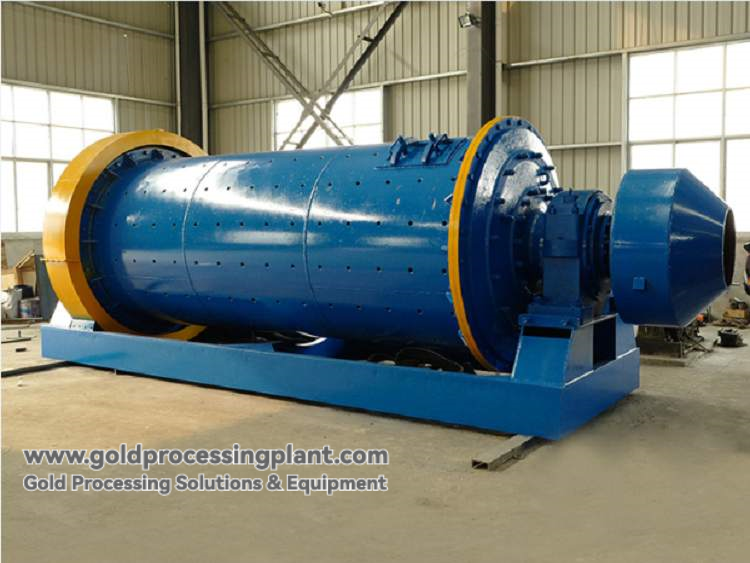
GoldProcessingPlant Company Strength & Manufacturing Base
The successful implementation of a gold tailings reprocessing plant ultimately depends on the underlying process design and equipment manufacturing capabilities. GoldProcessingPlant is a full-service provider integrating process design, engineering, equipment manufacturing, and commissioning. We own two manufacturing bases in Shandong and Jiangxi, China, along with a dedicated technical team.
20+ YearsExperience in gold processing design and manufacturing
2 BasesOwn factories in Shandong and Jiangxi, approx. 50,000 m²
30–5000 TPDCapacity for hard rock, placer, refractory, and tailings
50+ CountriesEquipment export and cross-border project delivery
GoldProcessingPlant strictly follows the ISO9001 quality management system, with products CE certified. Our annual production capacity exceeds 500 sets. The team consists of mineral processing engineers, metallurgists, mechanical designers, and project managers, with core members possessing over 20 years of experience in major gold EPC projects.
Suitable Scenarios & Value Assessment for Tailings Reprocessing
The gold tailings reprocessing plant matches its solution to the source and occurrence state of the tailings. The following three types of tailings are typical candidates for reprocessing:
- Old processing plant tailings—low recovery rates from outdated processes and equipment leave higher residual gold grades with recovery potential.
- Flotation tailings—after recovering gold-bearing sulphides, residual fine gold or intergrowth gold in the tailings can be reprocessed.
- Cyanidation tailings—gold remaining in cyanidation residues, sometimes as locked particles, requires pre-treatment or enhanced leaching for recovery.
Assessment Criteria: Whether tailings have reprocessing value depends on three indicators: Tailings grade (is residual gold content sufficient to cover recovery costs), Occurrence state (is gold in a recoverable form, or locked in gangue and unrecoverable), and Processing difficulty (particle size, sliming, and oxidation determine process complexity and cost). All three are essential; looking only at grade without occurrence state can lead to poor decisions.
Gold Tailings Reprocessing Plant Flowsheet Details
The gold tailings reprocessing plant flowsheet is divided into five stages. Each stage's function, equipment, and control points are detailed below, forming the basis for equipment selection and investment estimation.
Tailings Sampling & Assaying: Know the Material First
- Representative Sampling: Gold grades can vary significantly across different areas and depths of a tailings facility. Sampling points must cover the dam, center, and front, with stratified sampling and blended splitting for assaying.
- Assay Content: Gold grade, silver and associated precious metals, particle size distribution, gold occurrence state (ratio of free gold, intergrowths, locked gold), oxidation degree, and sliming degree. These data determine the process route selection.
- Process Mineralogy: If necessary, conduct MLA or electron microprobe analysis to see exactly where the gold is locked and whether it can be liberated. If gold is finely locked in quartz or silicates, conventional gravity or flotation is difficult; specialized processes are needed.
Feasibility Assessment: The Economics Must Work
- Technical Feasibility: Based on assay data, determine whether the gold can be liberated, what process can recover it, and the expected recovery rate. If gold is mainly free and not too fine, gravity or flotation is viable; if heavily locked or oxidized, pre-treatment or enhanced leaching may be required, raising costs.
- Economic Feasibility: Calculate ROI based on tailings volume, grade, expected recovery, and reagent/energy costs. If grade is too low or processing costs too high, it's economically unviable. GoldProcessingPlant will advise honestly rather than pushing equipment.
- Compliance Feasibility: Tailings reprocessing involves excavation, dry stacking, or backfilling. Local environmental and safety approvals must be confirmed to avoid rework later.
Process Selection: Match the Route to Tailings Characteristics
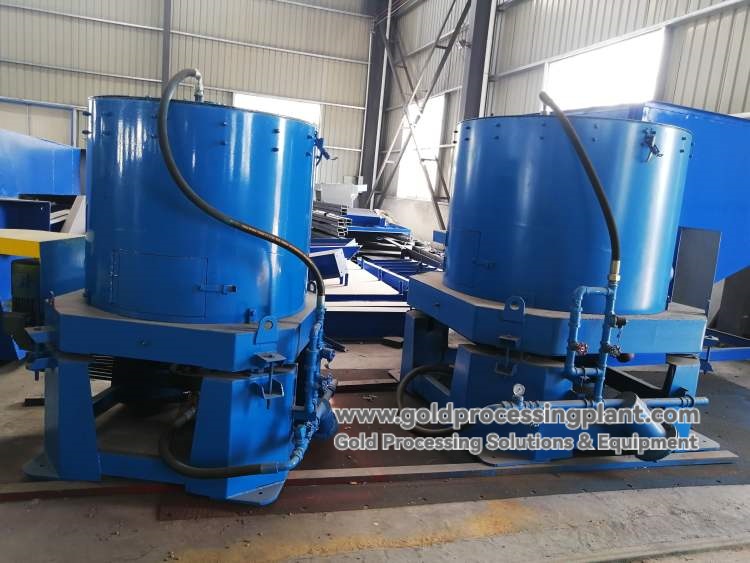
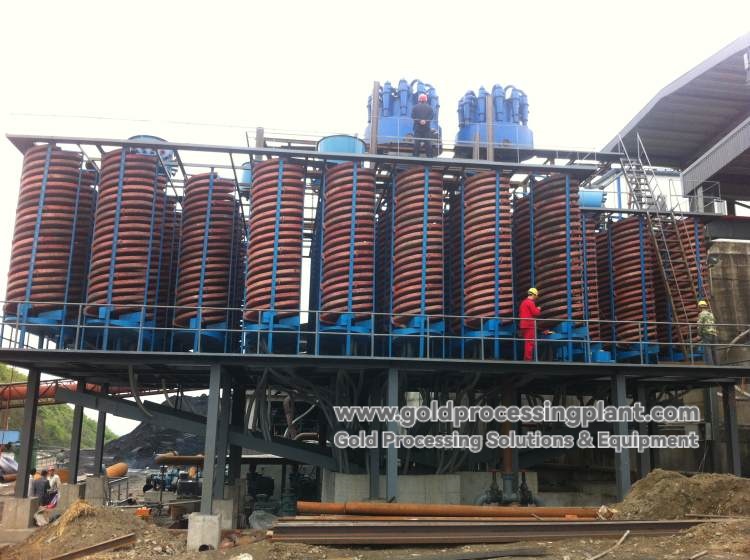
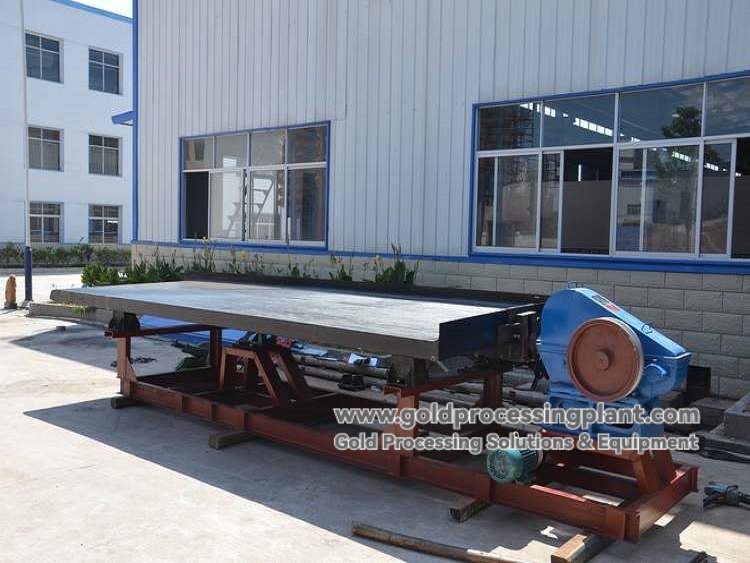
- Gravity Reprocessing: For tailings where gold is mainly free and relatively coarse, use centrifugal concentrators, shaking tables, or spiral chutes. The circuit is simple and low-cost, suitable for coarse residual gold. After classification, coarse fractions go to gravity, fine fractions are treated separately—a common classification-gravity approach.
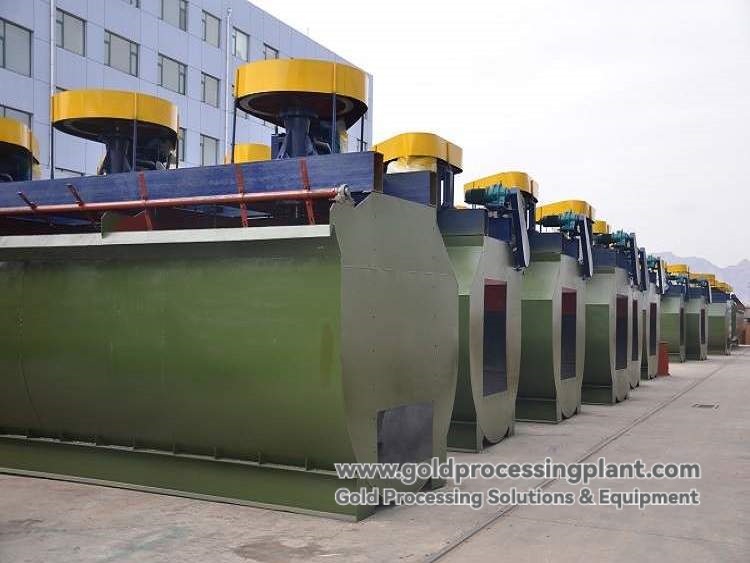
- Flotation Reprocessing: For tailings where gold is intergrown with sulphides and has good floatability, use flotation for enrichment. Flotation can handle finely disseminated gold, but reagent costs and tailings variability must be assessed upfront.
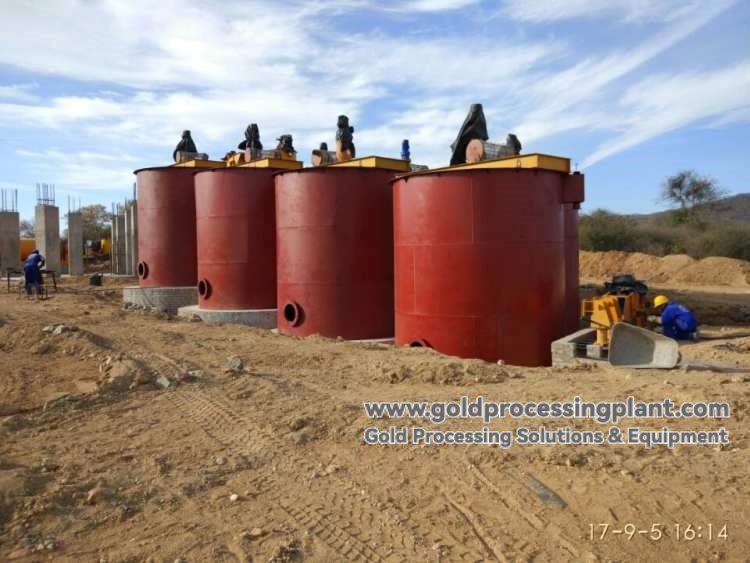
- Cyanidation Reprocessing: For tailings where gold is mainly free, gangue is simple, and no interfering elements are present, use whole-ore cyanidation or heap leaching. Cyanidation has higher recovery rates but requires cyanide wastewater treatment and environmental compliance.
- Combined Processes: When a single process can't recover everything, combine gravity + flotation or gravity + cyanidation. Tailings reprocessing often requires "classify first, then process"—coarse by gravity, fine by flotation or leaching.
Equipment Configuration & Commissioning
- Equipment Selection: Configure equipment based on the reprocessing route. Gravity circuits use centrifugal concentrators, shaking tables, spiral chutes; flotation circuits use flotation cells, conditioning tanks, reagent systems; cyanidation circuits use leach tanks, thickeners, carbon adsorption or zinc precipitation systems. Tailings reprocessing equipment can share some infrastructure with existing plants to reduce investment.
- Installation & Commissioning: Tailings reprocessing installation must consider integration with existing circuits and the convenience of tailings extraction and transport. GoldProcessingPlant dispatches engineers to site to guide installation, single-machine commissioning, and full-circuit load testing, optimizing reprocessing parameters until targets are met.
Tailings Dry Stacking & Environmental Treatment
- Dry Stacking: Reprocessed tailings are thickened and filtered into dry cake for stacking, reducing land use and environmental risk. Dry stacking is a key component of environmental compliance and closure governance for old tailings facilities.
- Cyanide Wastewater Treatment: For cyanidation reprocessing, cyanide-containing wastewater must be treated to standards before recycling or discharge. GoldProcessingPlant incorporates environmental systems into the design from the start.
- Tailings Backfill: Some projects can use reprocessed tailings for underground backfill or goaf filling, realizing resource utilization and reducing surface storage.
Key Control Points for Gold Tailings Reprocessing
The success of a gold tailings reprocessing plant is largely determined during the sampling and feasibility stage. Below are the core control points for design and on-site operation:
Sampling RepresentativenessCover different areas and depths, stratified and blended splitting.
Tailings GradePrimary economic indicator, but not the only one.
Gold OccurrenceRatio of free, intergrown, and locked gold determines the process.
Particle Size DistributionTailings are usually finer than primary ore; classification is key.
Oxidation DegreeHeavily oxidized tailings reduce flotation and cyanidation efficiency.
Sliming DegreeSevere sliming requires desliming or classification to avoid reagent loss.
Recovery RateSet realistic expectations based on tailings, not primary ore benchmarks.
Dry StackingFilter pressing for dry stacking ties into environmental compliance and closure.
The key control point of a gold tailings reprocessing plant is not equipment parameters, but judgment—when tailings grade changes, economic assessment must follow; when occurrence state changes, the process route must be re-matched; when sliming and oxidation change, equipment configuration and reagent regimes must be redesigned.
Technical Advantages of Gold Tailings Reprocessing
A gold tailings reprocessing plant offers value in both resource recovery and environmental governance. The technical advantages include:
- Resource Recovery: Residual gold and associated precious metals in old tailings are recovered, turning "waste" into a profit source and improving resource utilization.
- Test First, No Blind Investment: GoldProcessingPlant insists on sampling and assaying first to determine value, then discussing equipment. Tailings without economic value are honestly reported, helping clients avoid wasted investment.
- Flexible Process Combinations: Gravity, flotation, cyanidation, and combined processes are matched to tailings characteristics, not copied from primary ore circuits. Designs are tailored to fine particle sizes, heavy sliming, and severe oxidation.
- Environmental Governance Integration: Reprocessing is combined with dry stacking, cyanide wastewater treatment, and tailings backfill, both recovering resources and addressing environmental risks of old facilities.
Note on Recovery Rates: Recovery in gold tailings reprocessing is determined by tailings grade, gold occurrence state, particle size distribution, and oxidation/sliming degree, typically lower than primary ore processing. GoldProcessingPlant does not promise absolute numbers detached from reality. We promise to assess whether reprocessing is feasible under your specific tailings conditions through rigorous sampling and process design, and to design a flowsheet achieving the highest reasonable recovery.
Key Equipment Configuration for a Tailings Reprocessing Plant
The equipment configuration of a gold tailings reprocessing plant is divided into different systems based on the reprocessing route. Below is a typical configuration reference; actual selection depends on tailings characteristics and the selected process:
| System |
Core Equipment |
Function |
| Extraction & Transport |
Excavator, feeder, belt conveyor, slurry pump |
Extract tailings from the facility and transport to the reprocessing system. |
| Classification & Desliming |
Hydrocyclone, spiral classifier, thickener |
Classify tailings: coarse to gravity, fine to flotation/leaching, slimes treated separately. |
| Gravity Reprocessing (Coarse) |
Centrifugal concentrator, spiral chute, shaking table |
Recover coarse free gold from tailings; simple circuit, low cost. |
| Flotation Reprocessing (Fine) |
Flotation cell, conditioning tank, reagent system |
Recover fine gold and gold-bearing sulphides from tailings. |
| Cyanidation Reprocessing (Optional) |
Leach tank, thickener, carbon adsorption/zinc precipitation |
Leach free gold from tailings; requires cyanide wastewater treatment. |
| Tailings Dry Stacking |
Thickener, filter press, water recycling system |
Filter press tailings for dry stacking, recycle water, ensure environmental compliance. |
Equipment Supply Note: GoldProcessingPlant manufactures or coordinates all equipment above, covering extraction, classification, gravity, flotation, cyanidation, and dry stacking. Single units or complete sets are available, configured to tailings characteristics and process requirements, not from stock. Tailings reprocessing projects can share some facilities with existing plants to reduce investment. Custom materials, motor powers, and structural modifications are available for special conditions (cold, high altitude, corrosion, unstable power in Africa).
Equipment Investment & Quotation for Tailings Reprocessing
Investment in a gold tailings reprocessing plant is directly related to tailings volume, grade, occurrence state, process route (gravity/flotation/cyanidation/combined), whether new extraction and transport systems are needed, and whether dry stacking and cyanide wastewater treatment are included. A simple gravity reprocessing plant and a cyanidation reprocessing plant can differ significantly in equipment configuration and investment.
GoldProcessingPlant does not offer a "one-size-fits-all" price detached from tailings characteristics. We quote based on assay results and actual configuration. Tell GoldProcessingPlant your tailings volume, assay data, and site conditions, and we can directly issue an equipment configuration list and quotation for the corresponding capacity, making it easy for you to compare investments quickly.
The main variables affecting investment include: processing capacity, grade and occurrence state, reprocessing route, extraction and transport distance, dry stacking configuration, cyanide wastewater treatment requirements, and whether facilities can be shared with existing plants. Quotations based on actual configuration are the only ones with reference value.
Why Choose GoldProcessingPlant for Tailings Reprocessing?
The biggest risk in a tailings reprocessing project is not choosing the wrong equipment, but the tailings themselves not being worth processing. What sets GoldProcessingPlant apart in tailings reprocessing projects:
1
Test First, No Blind Pitching
We sample and assay first to determine feasibility and economics. Only if there is recovery value do we discuss equipment. If diagnosis confirms no economic value, we say so honestly, rather than pushing projects just to sell equipment.
2
Tailings-Specific Processes, Not Primary Ore Templates
Tailings are fine, heavily slimed, and oxidized; directly applying primary ore processes often fails. Gravity, flotation, cyanidation, and combined processes are matched to assay data. Classify first, then process—a common approach.
3
Integrated Reprocessing & Environmental Governance
Tailings reprocessing often goes hand-in-hand with facility closure, dry stacking, and cyanide wastewater treatment. We incorporate environmental systems at the design stage to avoid rework.
4
Clear Delivery Boundaries, Controlled Labor Costs
Under EPC, process design, equipment manufacturing, installation guidance, and training are handled by us. Civil works and general installation labor are organized locally by the client, with our engineers providing technical guidance.
5
Global Experience, Reliable Cross-Border Delivery
Projects across Africa, South America, Central Asia, and Southeast Asia, with capacities from 30 to 5,000 TPD. Tailings reprocessing involves extraction, transport, and environmental considerations; cross-border experience helps clients avoid pitfalls.
6
Continuous Technical Support
Commissioning and reaching capacity is just the beginning. We provide systematic training to ensure your team can independently adjust reprocessing parameters and reagent regimes, backed by long-term spare parts and process optimization support.
Related Gold Processing Solutions
In addition to the gold tailings reprocessing plant, GoldProcessingPlant's portfolio covers hard rock, placer, refractory ore, and gravity separation. We match historical experience to your specific ore type:
EPC Turnkey Delivery Boundaries: Who Does What
Disputes and delays in tailings reprocessing projects usually stem from not clarifying "who does what" before signing the contract. Many assume that finding an EPC contractor means "I pay, you do everything"—but tailings reprocessing involves extraction, civil works, equipment, installation, and commissioning, each with different requirements for qualifications, labor costs, and site conditions. GoldProcessingPlant's EPC service operates on the principle: what we are responsible for, we manage to the end; what the client needs to coordinate, we clarify upfront.
What GoldProcessingPlant is Responsible For
- Tailings Sampling, Assaying & Feasibility Assessment: Sampling across different areas and depths of the tailings facility, analyzing gold grade, occurrence state, particle size, oxidation and sliming, and issuing a feasibility assessment and process plan.
- Process Technology & Technical Scheme: Determining gravity, flotation, cyanidation, or combined routes, and issuing a proposal with equipment selection and preliminary quotation.
- Engineering Design & Drawings: Site layout, equipment arrangement, dry stacking layout, civil works condition drawings, and complete technical handover.
- Core Equipment Manufacturing & Supply: Manufacturing gravity equipment, flotation cells, leach tanks, thickeners, and filter presses per drawings, along with ancillary pumps, piping, and electrical controls to ensure hardware-process integration.
- On-site Installation Technical Guidance: Dispatching engineers to site to guide equipment positioning, piping connection, and electrical/instrument installation.
- Integrated Commissioning & Training: Leading single-machine and full-circuit load commissioning, optimizing reprocessing parameters until targets are met, and training the client's team.
- After-sales & Spare Parts: Responsible for equipment quality during the warranty period, with long-term spare parts supply and process optimization recommendations.
What the Client is Responsible For
- Tailings Extraction & Site Preparation: Responsible for access roads, extraction equipment (excavators, etc.), and site "three connections and one leveling" (water, electricity, road, site leveling), as well as preparing lifting equipment, water, electricity, and materials for commissioning.
- Civil Works: Organize civil construction locally based on our civil works condition drawings. If complete structural drawings for plant buildings or foundation reinforcement are required, they must be issued by a locally qualified design institute.
- Local Installation Labor: Equipment positioning, pipe welding, cable laying, etc., are performed by locally recruited workers. Our engineers guide how to install, and the client organizes the workforce.
- Local Compliance: Responsible for local environmental, safety, and construction permits. Tailings reprocessing involves excavation, dry stacking, or backfilling, so environmental and safety approvals must be obtained in advance.
Why is this division more cost-effective? Sending a large number of Chinese workers overseas or to remote sites incurs huge costs in flights, visas, accommodation, and high daily wages. By recruiting local general installation workers and having our engineers provide technical guidance, you can save at least half of the labor costs. Local workers also communicate more easily and adapt flexibly to site civil works progress, avoiding delays caused by waiting for visas or flights.
If the client truly cannot find a construction team locally, or wishes GoldProcessingPlant to handle both civil works and installation labor, we can discuss separately based on the actual project location, and agree on the scope and cost in the contract.
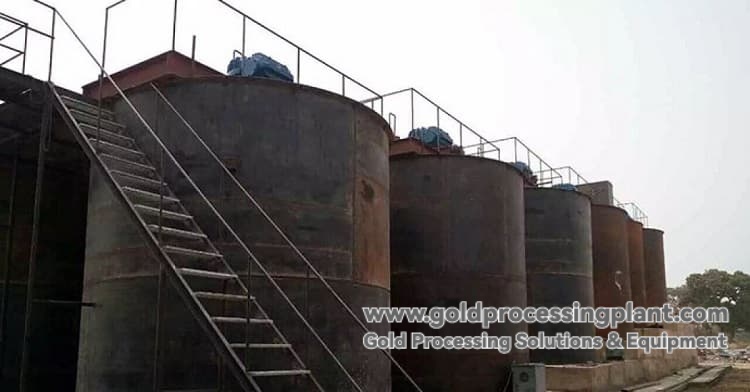
FAQ: Gold Tailings Reprocessing Plant
+Do old tailings in the storage facility still have reprocessing value? ▼
It depends on tailings grade and occurrence state. If grades are relatively high, historical recovery was low, and gold exists in recoverable forms, there is reprocessing value. Use ore samples to assess feasibility and economics first, then discuss equipment. Low-grade tailings with heavily locked gold and high processing costs may not be worth it. GoldProcessingPlant tests first and advises honestly, without blind pitching.
+What process should be used for tailings reprocessing? Gravity, flotation, or cyanidation? ▼
It depends on gold occurrence and particle size. If gold is mainly free and relatively coarse, gravity reprocessing is simple and low-cost. If gold is intergrown with sulphides and has good floatability, flotation can handle fine dissemination. If gold is mainly free with simple gangue, cyanidation has higher recovery. For incomplete recovery with a single process, combine gravity + flotation or gravity + cyanidation. Tailings reprocessing often requires classification and desliming first—coarse by gravity, fine by flotation or leaching.
+How should tailings be sampled for representativeness? ▼
Gold grades can vary greatly across different areas and depths. Sampling points should cover the dam, center, and front, with stratified sampling and blended splitting. Assay content should include gold grade, silver and associated precious metals, particle size distribution, gold occurrence state, oxidation, and sliming degree. Without representative sampling, all subsequent judgments are based on faulty data.
+How much does a tailings reprocessing plant cost? ▼
Investment depends on tailings volume, grade, occurrence state, process route, extraction and transport distance, dry stacking, and cyanide wastewater treatment requirements. There is no fixed price. Investment must be based on assay data and site conditions, quoted per actual configuration. Tell GoldProcessingPlant your tailings volume, assay data, and site conditions, and we can issue a configured equipment list and quotation for the corresponding capacity.
+What is the project timeline from contract to production? ▼
Typically 8 to 15 months for a tailings reprocessing project from process design to final production. If utilizing existing plant facilities and only building the reprocessing section, the timeline can be shortened. Key milestones: Sampling and process design 7-15 days → Engineering 20-30 days → Equipment manufacturing 60-120 days → Logistics 30-60 days → Installation & commissioning 60-150 days. Reasonable overlapping can compress the schedule; overseas projects require extra customs buffer.
+What recovery rate can tailings reprocessing achieve? ▼
Recovery depends on tailings grade, gold occurrence state, particle size distribution, and oxidation/sliming degree, typically lower than primary ore processing. If gold is finely locked in quartz or silicates, conventional gravity or flotation struggles, significantly limiting recovery. GoldProcessingPlant does not promise absolute numbers; we promise to assess whether reprocessing is feasible under your specific tailings conditions through rigorous sampling and process design, and to design a flowsheet achieving a reasonable recovery rate.
+How should the tailings be handled after reprocessing? ▼
Reprocessed tailings are thickened, filter-pressed into dry cake, and stacked to reduce land use and environmental risk. Dry stacking is a key environmental compliance step and a requirement for old facility closure governance. Some projects can use reprocessed tailings for underground backfill or goaf filling. For cyanidation reprocessing, cyanide-containing wastewater must be treated to standards before recycling or discharge.
+Can associated silver, tungsten, and other valuable elements in tailings be recovered together? ▼
It can be evaluated. If tailings contain associated silver, tungsten, quartz, or other valuable components, comprehensive recovery can be considered in the reprocessing scheme. For example, if flotation tailings contain scheelite, a gravity-flotation-magnetic combined process can recover gold and tungsten. However, comprehensive recovery increases process complexity and investment; assays and tests must first determine whether each component has recovery value before including it in the scheme.
+Can you provide only assaying or process design without equipment purchase? ▼
Yes. Tailings sampling and assaying, feasibility assessment, process design, equipment selection and quotation, engineering drawings, single equipment, complete equipment sets, installation supervision, and EPC turnkey are all available on demand. No mandatory bundling. Early-stage assay and design fees can be fully deducted from equipment payments in subsequent orders or EPC contracts.
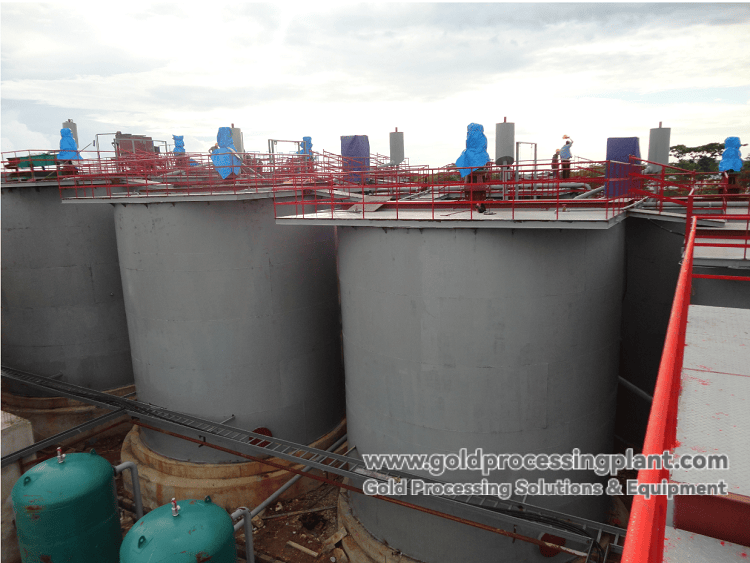
How to Assess and Implement a Gold Tailings Reprocessing Plant
Tailings are not waste; they are misplaced resources. But not all tailings are worth reprocessing. The core of a gold tailings reprocessing plant is not equipment configuration, but sampling, assaying, and feasibility assessment—is the grade sufficient to cover recovery costs, in what form does the gold exist, and what do particle size, sliming, and oxidation dictate for the process. If these three questions aren't clear before buying equipment, the money is likely wasted.
GoldProcessingPlant's approach to tailings reprocessing is direct: test first to determine value, then discuss equipment. Tell GoldProcessingPlant your tailings volume, assay data, and site conditions, and we can first assess feasibility and economics, then issue an equipment configuration list and quotation for the corresponding capacity. If there is recovery value, we design a dedicated reprocessing or retrofit process; if there is no economic value, we say so honestly, without blind pitching.
If you are evaluating the possibility of tailings reprocessing, or if your existing plant's tailings grade is relatively high and you want to recover residual gold, contact the GoldProcessingPlant engineering team. Provide your tailings assay data, storage volume, and site conditions, and we will assess reprocessing value and match the process route and equipment configuration based on our project experience.
From Tailings Assay to Equipment Quotation, All in One Place
GoldProcessingPlant provides customized solutions for gold tailings reprocessing worldwide. Sampling, feasibility assessment, process design, equipment manufacturing, installation and commissioning, and EPC turnkey—combine as needed, with no mandatory bundling.
Contact us with your tailings assay data, storage volume, and site conditions. The GoldProcessingPlant team will first assess the reprocessing value for you, then issue a configured quotation with equipment list and budget.
Assess value first, then configure equipment—GoldProcessingPlant helps you turn dormant tailings into value.