


Processing and Beneficiation Processes for Sulfide Gold Ore and Complete Equipment Solutions: From Process Mineralogy Diagnosis to Equipment Configuration
Many sulfide gold ore projects encounter the same problem after production begins: despite equipment upgrades and process adjustments, recovery rates remain low. On-site conclusions often point to “difficult-to-process ore,” but the actual cause is usually more specific—incomplete process mineralogy data, with the processing route having been determined based on incomplete information.
I. Challenges in Sulfide Gold Ore Processing: Gold Enclosed as Fine Particles Within Sulfide Crystal Lattices
Gold in sulfide gold ores generally exists in three forms: free gold, associated gold, and encapsulated gold.The first two types can still be recovered in conventional cyanidation systems, while the third is limited by physical contact conditions—gold particles are enclosed within the crystal lattices of pyrite and arsenopyrite, preventing the leaching solution from coming into contact with the gold surface.
The proportion of entrapped gold relative to the total gold content varies significantly, leading to substantial differences in the selection of process routes. When this proportion is high, direct cyanidation often recovers only a portion of it, while the remainder is lost with the tailings. This is not a matter of reagent dosage, but rather the absence of a reaction interface.
In addition to encapsulation, three other interfering factors compound the issue:
- Arsenic. Arsenopyrite decomposes in an alkaline cyanidation system, simultaneously consuming cyanide and dissolved oxygen, leading to increased reagent consumption and a decrease in effective concentration.
- Carbon. Carbonaceous materials “sequester gold,” meaning they re-adsorb already dissolved gold cyanide complexes back onto the solid phase, resulting in a situation where the gold is “dissolved but not recovered.”
- Siltation. Altered sericite and clay-type minerals are prone to siltation during grinding, which degrades the flotation foam structure and simultaneously impairs the efficiency of thickening and filtration.
II. The Starting Point of the Solution: Four Diagnostic Data Points That Must Be Clarified
Process steps can be simplified, but diagnostics cannot be omitted. The following four data points essentially determine the boundaries of the process route.
| Diagnostic Items | Significance | Impact on the Process Flow |
|---|---|---|
| Gold Particle Size Distribution | Determines whether mechanical liberation will be effective | When the encapsulation particle size is relatively coarse, fine grinding combined with flotation is sufficient; for ultrafine encapsulation, pretreatment must be introduced |
| Types and Proportions of Gold-Bearing Sulfides | Determines the feasibility of flotation enrichment and concentrate yield | There are significant differences in the reagent regimes between gold-bearing pyrite and gold-bearing arsenopyrite |
| Arsenic, carbon, and antimony content and occurrence conditions | Determine the severity of interference and the necessity of pretreatment | Carbon-bearing ores require prior passivation or removal of carbonaceous matter; arsenic-bearing ores require suppression of arsenopyrite or separate flotation |
| Gangue composition and degree of sludging | Impacts the entire process chain, from grinding to flotation to thickening | In cases of severe muddiness, consider de-sliming operations and adjustments to the reagent regime |
It should be noted that these four data points cannot be estimated based on experience alone; they must be supported by rock and ore identification, MLA-type automated mineral analysis, and multi-element chemical analysis. The representativeness of sampling is equally critical, as conclusions from single-point samples and composite samples may differ entirely. The time and costs invested in this stage early on will be reflected in the stability of subsequent processing schemes.
III. Process Route Comparison: Applicability Boundaries of the Five Pathways
There is no universal “optimal solution” for the beneficiation of sulfide gold ores; only feasible solutions that match the specific ore conditions exist. The following five pathways cover most project scenarios; however, performance indicators must be determined based on actual ore sample testing and should not be applied across different projects.
| Process Route | Applicable Conditions | Performance Trends | Capital Intensity | Major Constraints |
|---|---|---|---|---|
| Flotation + Fine Grinding + Cyanidation | Low proportion of encapsulated gold, low sulfide content | Moderate preference | Low | High tailings grade when gold-bearing minerals are insufficiently liberated |
| Roasting of flotation concentrate + cyanidation | High arsenic and sulfur content; equipped with flue gas treatment and acid production facilities | Fair | Moderate | Treatment of sulfur dioxide and arsenic trioxide; complex approval process |
| Biological oxidation + cyanidation | Moderate arsenic and sulfur content, suitable ambient temperatures, and stable power supply | Fair | Moderate | Long oxidation cycle; temperature-sensitive |
| Pressurized oxidation + cyanidation | High arsenic and sulfur content; extremely fine gold particles; stringent specifications | Excellent | High | High temperature and pressure; stringent requirements for materials and automation |
| Ultrafine grinding of flotation concentrate + non-cyanide leaching | Environmentally sensitive areas; relatively coarse particle size of gold-bearing particles | Moderately favorable | Moderate | High energy consumption for regrinding; significant fluctuations in reagent costs |
When making a selection, it is recommended to conduct parallel tests on two to three candidate processes, comparing recovery rates, reagent consumption, and equipment investment using the same batch of ore samples before making a decision. Data from tests on a single process alone is insufficient to support a decision on the optimal process.
IV. Four- and Five-Stage Processes: Organizational Structure of Gold Sulfide Ore Processing and Beneficiation
A practical gold sulfide ore processing and beneficiation process, along with a complete equipment solution, is typically organized into five stages: crushing and grinding, pre-concentration, pre-treatment, leaching and recovery, and tailings disposal. Each stage has clear objectives and is interdependent with the others.
The objective is to prioritize crushing over grinding. By controlling the feed size to the grinding stage through a three-stage, closed-circuit crushing system, the crushing process is optimized to its fullest extent, thereby reducing power and steel consumption in the grinding stage.The fineness of the grinding product is determined by the grain size distribution of the gold-bearing minerals. The first stage typically uses a grid-type ball mill, while the second stage employs an overflow-type ball mill in a closed-circuit configuration with a hydrocyclone—a common combination for rock-type gold ores.
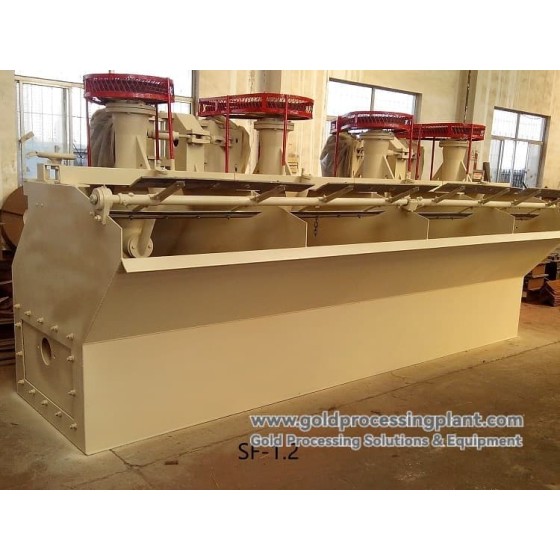
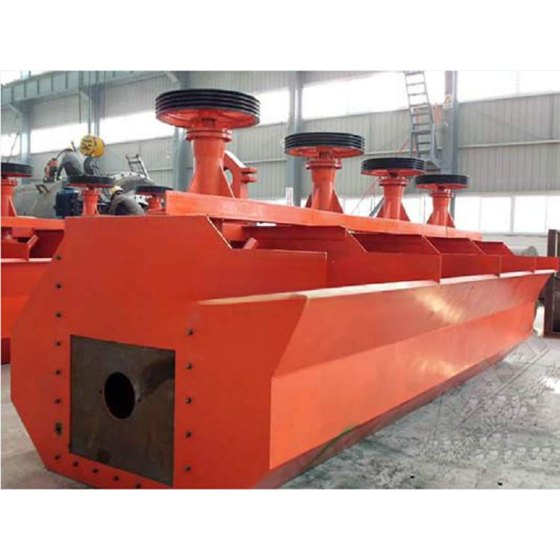
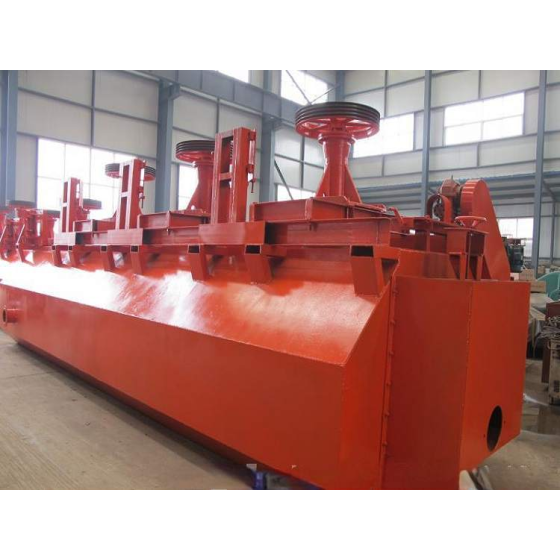
This stage concentrates gold-bearing pyrite and arsenopyrite into concentrate, while waste rock is discarded as tailings. The strategic value of this stage lies not in increasing grade, but in ensuring that the subsequent, most expensive oxidation process handles only a small volume of material, thereby spreading the oxidation costs across the entire ore feed.The recovery rate of the scavenging stage determines the lower limit of the overall recovery rate; this stage is most susceptible to investment cuts and is also most likely to become a bottleneck.
This stage is used to break open the sulfide crystal lattice and release entrapped gold, while simultaneously removing interfering components such as arsenic, sulfur, and carbon. The selection of the processing route must take into account ore properties, local environmental capacity, and operational cost structure—not merely experimental recovery rates.
The mainstream methods are CIL (carbon-in-leach, where leaching and activated carbon adsorption are completed within the same tank system) and CIP (carbon-in-pulp, where leaching is followed by adsorption). The former features a compact process flow, while the latter allows for more precise segmented control. Leaching time, carbon density, and pH range must be optimized during the commissioning phase based on the actual conditions of the ore slurry.
Arsenic-containing tailings must be treated separately. The skimmonite method produces small volumes of tailings and offers good stability, while the lime-iron salt method is simple but generates relatively large volumes of tailings; cement-based solidification is suitable for small- to medium-scale operations. This requires prior completion of leaching toxicity tests to provide data to support environmental impact assessments and project acceptance.
V. Complete Equipment Configuration: Aligning Hardware with Process Requirements
Once the process flow is determined, the equipment list for the sulfurized gold ore processing and beneficiation process, as well as the complete equipment solution, becomes meaningful. The general approach to configuration by process section is as follows.
| Process Stage | Main Equipment | Key Selection Criteria |
|---|---|---|
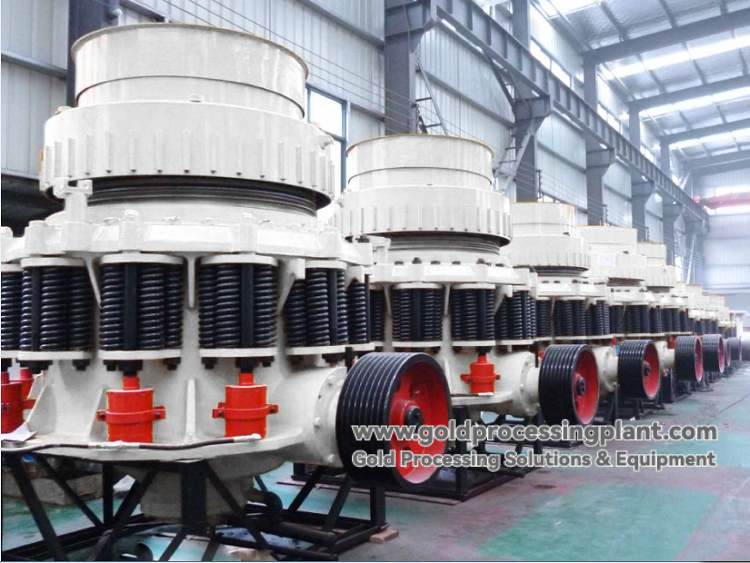
| Crushing | Jaw Crusher, Cone Crusher, High-Pressure Roller Mill | Adhere to the principle of “more crushing, less grinding” to control feed size |
| Grinding and Classification | Grid-type ball mills, overflow-type ball mills, hydrocyclones, vertical agitator mills | Classification efficiency has a greater impact on performance indicators than the mill specifications themselves |
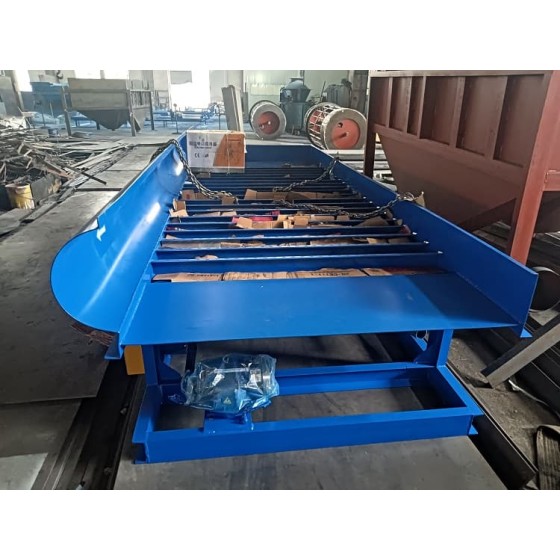
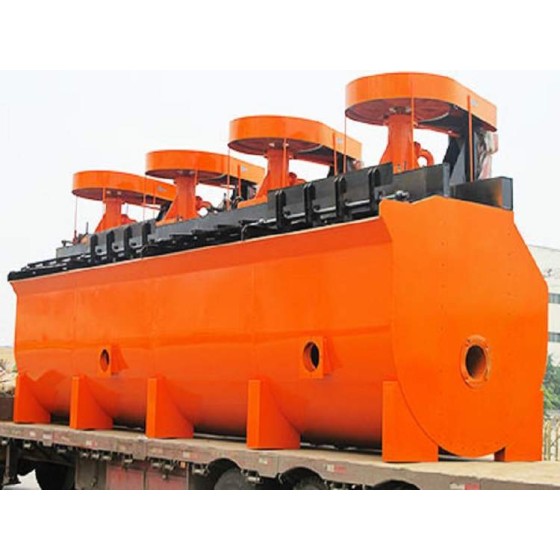
| Pre-concentration | Aerated flotation cells, flotation columns | For the roughing and scavenging stages, self-priming slurry pumps may be selected; for large-scale direct-flow cells, aerated flotation is preferred |
| Pre-treatment | Biological oxidation tanks, pressure vessels, rotary kilns | Temperature control, dissolved oxygen, and material composition are the three key control points |
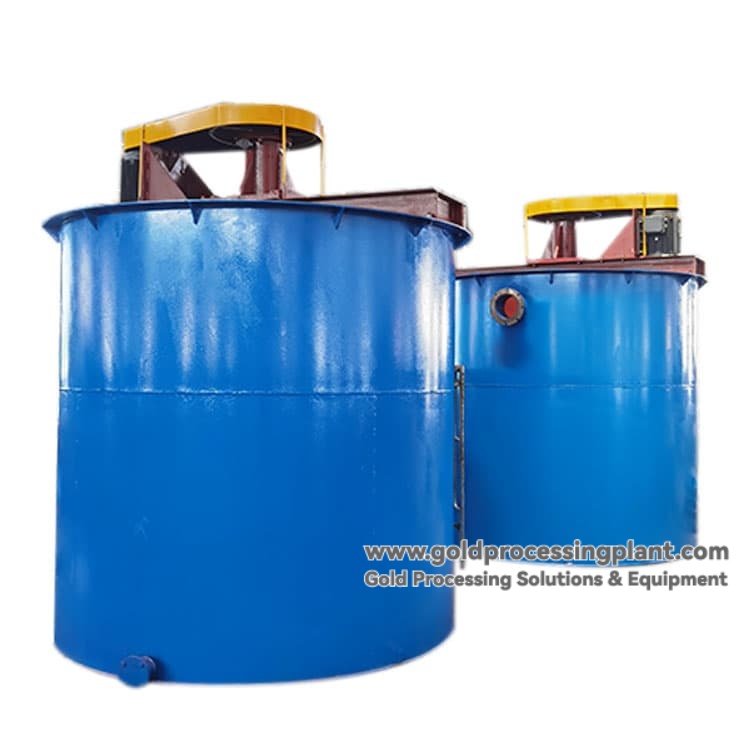
| Leaching and Adsorption | Leaching tanks, CIL carbon adsorption tanks, carbon separation screens, carbon recovery units, desorption and electrolysis systems | Activated carbon wear and regeneration losses must be factored into operating costs |
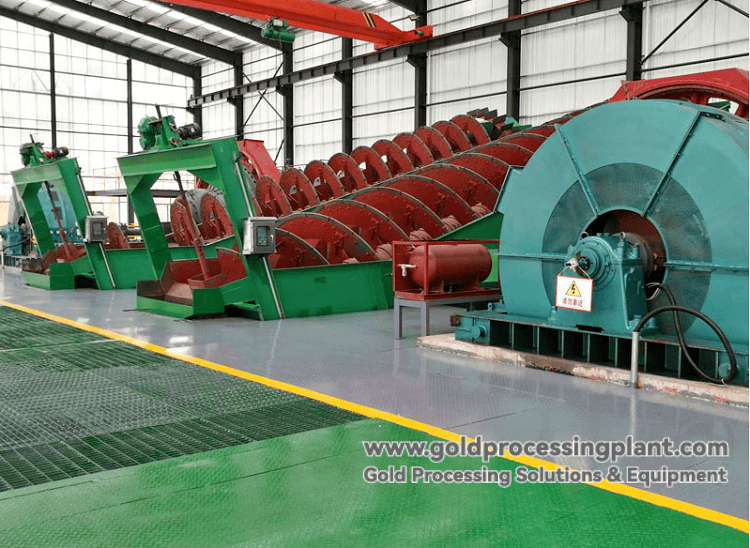
| Concentration and Dewatering | High-efficiency thickener, diaphragm filter press, dewatering screen | Filter cake moisture content directly affects transportation and the feasibility of dry tailings disposal |
| Auxiliary | Feeder, belt conveyor, mixing tank, slurry pump | Interface compatibility determines the duration of integrated commissioning |
One of the most easily overlooked aspects in equipment selection is interface compatibility. If crushing, grinding, flotation, and leaching equipment come from different suppliers, processing capacity, slurry concentration, and electrical controls often fail to align, ultimately resulting in reduced production capacity or frequent downtime. Having the same team oversee both process design and equipment manufacturing is an effective way to avoid such issues.
VI. Investment and Operating Costs: Look at the Breakdown, Not Just Unit Prices
When discussing the investment in processing and beneficiation processes for sulfide gold ore, as well as the complete equipment solution, it is necessary to distinguish between three categories: the main equipment package, civil engineering and installation, and operational expenses. Since these three categories differ in scale, comparing them together can easily lead to distorted results.
Investment in main equipment varies in a stepwise manner with daily throughput, and even for the same throughput, there may be significant differences between standard configurations and those designed for complex operating conditions. Incremental investment in the pre-treatment stage accounts for a significant proportion of the total cost for arsenic- and sulfur-bearing ores, while environmental protection measures and arsenic tailings disposal are often underestimated.
Operational factors are even more specific: electricity consumption for grinding, flotation reagent consumption, cyanide and lime usage, activated carbon replenishment, and arsenic tailings solidification and disposal costs. Among these, the impact of reagents and tailings treatment on total costs is typically greater than that of equipment depreciation.
To determine whether a proposal is economically viable, it is recommended to use “net profit per metric ton of ore” as the metric, rather than comparing total equipment costs or investment per unit. Due to variations in ore prices, electricity rates, on-site reagent prices, and transportation distances, the economic viability of the same process can vary significantly across different projects.
VII. Three Common Technical Issues Encountered on Site
Flotation indicators are acceptable, yet the total recovery rate remains low—where is the problem?
It is recommended to take samples from three stages for comparison: gold grade in flotation tailings, residual sulfur content in the oxidation residue, and gold grade in the leaching residue. By comparing these three sets of data side by side, the location of the bottleneck can generally be identified. In most cases, the issue points to incomplete pretreatment, where sulfur has not been fully oxidized and entrapped gold has not been completely released.
Biological oxidation yields decline during cold seasons—how should this be addressed?
Insulating the oxidation tanks, installing additional heat exchangers, and cultivating cold-tolerant microbial strains can all help alleviate the issue, but fundamentally, it comes down to energy consumption costs. If the local cold season is prolonged and electricity rates are high, it is advisable to include pressurized oxidation or ultra-fine grinding leaching in the evaluation scope during the planning phase, rather than making reactive adjustments after production begins.
What should serve as the basis for equipment acceptance?
It is recommended to specify the following prerequisites in the contract: recovery rates and processing capacity targets based on the same ore source and the same operating conditions. Sulfide ore performance metrics are highly sensitive to grinding fineness and reagent regimes; acceptance clauses lacking boundary conditions are likely to lead to disputes during the implementation phase.
VIII. Case Study: An Arsenic-Bearing Pyrite-Type Gold Mine in Yunnan
At a certain arsenic-bearing pyrite-type gold mine in Yunnan, the gold grade of the ore was in the lower range, with a sulfur content of approximately 6 to 7 percent and an arsenic content of approximately 1 percent.Rock and ore analysis results showed that a significant proportion of the gold was encapsulated within pyrite in the form of fine particles; the original design employed direct cyanidation, but leaching performance fell significantly short of expectations.
The modification strategy involved a series of processes: flotation pre-concentration, biooxidation, and carbon-in-leach (CIL): flotation concentrates the gold-bearing sulfides into concentrate, with the tailings directly discarded; the concentrate undergoes biooxidation to release the gold before entering the CIL system.Following the modification, the overall recovery rate improved significantly compared to the original design; however, specific figures are subject to fluctuations in ore quality and operational performance and are therefore not stated as absolute values here.
The key lessons from this project are as follows: yield and grade control in the pre-concentration stage directly determine the scale and investment of the oxidation stage; dissolved oxygen and temperature control in the oxidation stage directly determine the upper limit of the final performance indicators. The interface parameters between the two stages must be determined collectively during the pilot phase.
IX. What We Offer: End-to-End Delivery from Ore Samples to Commercial Operation
We specialize in process design and equipment manufacturing for gold ore beneficiation. Our team consists of mineral processing engineers, mechanical design engineers, and on-site commissioning personnel. With our own manufacturing bases in Shandong and Jiangxi, we provide end-to-end equipment solutions for rock gold ore, placer gold ore, hard-to-process gold ore, and tailings reprocessing.
Our standard workflow is as follows: First, we conduct ore characterization and beneficiation tests to determine the process route; next, we configure equipment according to the route and provide drawings and bills of materials; finally, we dispatch engineers to the site to provide installation guidance, integrated commissioning, and operator training. Having both process design and hardware manufacturing handled by the same team ensures consistency between drawings and equipment specifications.
Services can be broken down into phases: we can perform only mineral processing tests, provide only process proposals, procure only individual pieces of equipment, or handle only on-site commissioning—all of which are available without mandatory bundling. Costs for preliminary testing and design can be offset against subsequent equipment purchases or EPC contracts.Civil construction and general installation work are organized locally by the project owner, while we are responsible for technical briefings and quality control, thereby managing labor costs while ensuring technical accountability is maintained.
For difficult-to-process ores—such as those containing arsenic, carbon, or micro-fine particles—we do not make performance commitments that are detached from the actual ore conditions. What we can commit to is designing a process that achieves the highest feasible performance under those specific conditions based on ore sample data, and incorporating the acceptance criteria into the contract.