


Suppliers of Gold Extraction Processes Using the Column Carbon Method and Complete Sets of Equipment
Suppliers of Gold Recovery Processes Using the Column Carbon Method and Complete Equipment Sets
The activated carbon column method for gold extraction is an often-overlooked yet highly practical branch of the gold extraction process using cyanide leachate (or heap leachate).Rather than processing slurry, this method treats clarified gold-bearing solutions by passing them through adsorption columns packed with activated carbon, where the gold is adsorbed onto the carbon. The gold is then recovered through desorption, electrolysis, and smelting to produce refined gold.Heap leaching mines, CCD counter-current washed precious liquids, and silver-bearing precious liquids where carbon adsorption is ineffective are all suitable applications for the carbon column method. This article clearly explains the process logic, equipment configuration, and supplier selection for the carbon column method.
I. What Is the Column Carbon Method, and How Does It Differ from CIL/CIP?
First, let\'s clarify the concepts. Cyanide gold extraction is divided into two routes based on whether “gold is recovered in the solid phase or the liquid phase”:
Direct slurry adsorption: CIL (carbon-in-leach, leaching and adsorption occur simultaneously) and CIP (carbon-in-pulp, leaching followed by adsorption). Activated carbon is added directly to the ore slurry tank, and gold-loaded carbon is separated from the slurry via screening. This method is suitable for whole-ore cyanide processing plants.
Precious liquid adsorption: The ore is first leached, and solid-liquid separation yields a clear, gold-bearing precious liquid, which is then passed through an activated carbon column to adsorb the gold. This is the column carbon method, also known as carbon column adsorption. Precious liquids produced by heap leaching and those produced by CCD countercurrent washing both follow this route.
The key difference between the two lies in whether the adsorption medium is the pulp or the clear liquid. The carbon column method processes clear liquid, which contains few suspended solids and results in low carbon consumption. The adsorption columns can be connected in series for multi-stage countercurrent operation, making this method suitable for scenarios with a stable volume of precious liquid, high silver content, or where the carbon-in-pulp (CIP) method yields poor adsorption results.
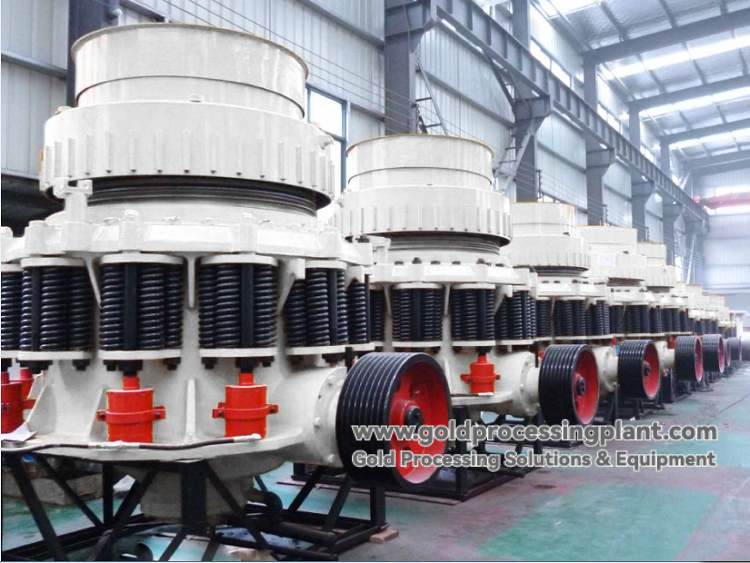
II. Process Flow for Gold Extraction via the Carbon Column Method
The standard process is as follows: clarification and filtration of the gold-bearing concentrate → serial adsorption in adsorption columns → desorption of gold-loaded carbon → electrolysis → smelting of gold slime → production of refined gold.
1. Clarification and Filtration of Precious Liquor
The precious liquid must be clarified before entering the columns; excessive suspended solids will clog the carbon bed and contaminate the activated carbon. Heap leach precious liquid typically undergoes sedimentation in a precious liquid tank before entering the filtration equipment, while CCD-washed precious liquid undergoes clarification treatment. Controlling suspended solids is a prerequisite for the stable operation of the column-carbon method.
2. Series-Connected Adsorption Columns
Multiple adsorption columns are connected in series; the precious metal solution enters the first column and exits the last column, with the activated carbon and the solution coming into contact in a countercurrent flow.Gold is adsorbed by the activated carbon, and the lean solution is discharged from the final column (which can be returned to the leaching system or sent for environmental treatment). The number of adsorption columns, column diameter, carbon bed height, and flow rate are designed based on the volume of precious metal solution and the gold concentration.
3. Desorption of Gold-Loaded Carbon
Adsorption-saturated gold-loaded carbon is discharged from the first column and sent to the desorption system. Desorption methods include ambient temperature and pressure desorption and high-temperature, high-pressure desorption: ambient temperature and pressure desorption is suitable for routine processing, while high-temperature, high-pressure desorption is more thorough and efficient, making it suitable for large-scale mines or ores that are difficult to desorb.
4. Electrolysis and Smelting
The precious metal solution obtained from desorption enters the electrolytic cell, where gold is deposited at the cathode as gold slime; after acid washing, drying, and blending, the gold slime is fed into a gold smelting furnace for smelting, producing high-purity gold ingots.
5. Activated Carbon Regeneration
The depleted activated carbon from the desorption process is regenerated (acid washing, water washing, drying, and activation) and returned to the adsorption columns for reuse, thereby reducing carbon consumption costs.
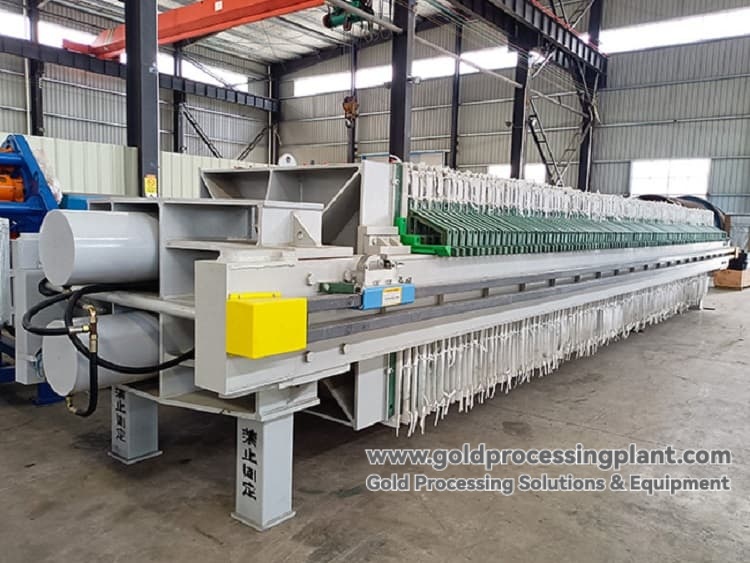
III. Complete Equipment Configuration for the Column Carbon Method
GoldProcessingPlant provides a complete set of equipment for the column-based gold extraction process. The core equipment list is as follows:
Precious Liquid Treatment Section
Clarification and filtration equipment, precious liquid tanks, and transfer pumps.
Adsorption Section
Activated carbon adsorption columns (multi-stage series configuration), activated carbon feeding unit, and lean solution transfer pumps. The number of stages and specifications of the adsorption columns are designed based on the volume of precious solution and gold concentration.
Desorption Section
Room-temperature, atmospheric-pressure desorption equipment or high-temperature, high-pressure desorption equipment; desorption liquid heating system; desorption columns.
Electrolysis and Smelting Section
Electrolysis cells, rectifier power supply, gold sludge filter press, gold smelting furnace.
Activated Carbon Regeneration Section
Pickling tanks, water washing equipment, regeneration kilns (selected based on scale).
Auxiliary
Activated carbon storage and handling facilities, piping and valves, electrical control systems.
It should be noted that the column carbon method processes clear liquid and does not involve crushing, grinding, or leaching tanks; the equipment configuration is completely different from that of a CIL/CIP processing plant.If your project involves a heap leaching operation, column carbon process equipment is typically integrated with the heap leaching pad, spray system, and precious liquid collection system; if it involves a CCD washing process, it is integrated with a counter-current washing thickener.
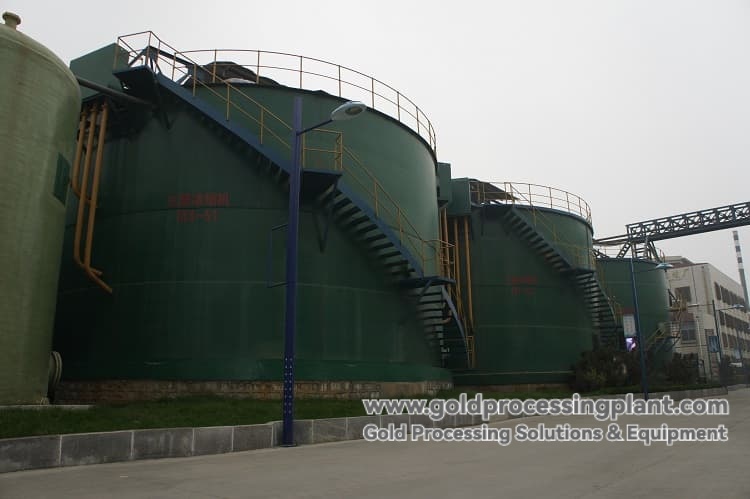
IV. Applicable Scenarios and Selection Criteria for the Column Carbon Method
The carbon-in-column method is not suitable for all gold mines; the criteria for selection are as follows:
Scenarios suitable for the column-carbon method: Gold recovery from heap leach precious liquids; gold recovery from CCD counter-current wash precious liquids; precious liquids with high silver content where the activated carbon slurry method is ineffective; projects with stable precious liquid volumes and controllable suspended solids; small-scale mining sites in remote areas where equipment investment and O&M requirements are relatively simple.
Scenarios unsuitable for the column carbon method: Direct gold recovery from whole-ore cyanide slurry (CIL/CIP should be selected); projects where the precious liquid has high suspended solids and cannot be effectively clarified; ores with severe gold entrapment by carbonaceous materials (pre-treatment is required).
Comparison with the zinc powder displacement method: Both the column-on-carbon method and zinc powder displacement process clear solutions. Zinc powder displacement is suitable for precious solutions with high silver content or where carbon adsorption is ineffective; the displacement rate is typically >99%, but it requires high zinc powder consumption and strict deoxygenation requirements;In the column carbon method, activated carbon can be recycled and regenerated, keeping operating costs relatively under control, making it suitable for projects with large volumes of precious liquid. The choice between the two methods depends on the properties of the precious liquid, silver content, and operating cost estimates.
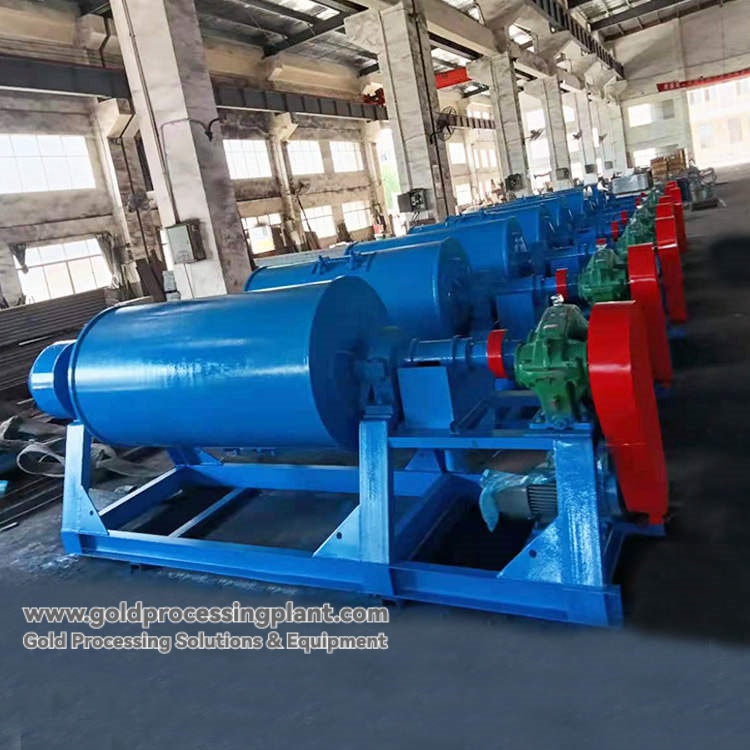
V. How to Select a Supplier for the Complete Equipment Set
Although activated carbon column equipment may appear straightforward, there are several key criteria for selecting a supplier:
- First, assess whether the supplier understands the process, rather than merely selling equipment. The number of adsorption columns, carbon bed height, flow rate, and desorption temperature and pressure parameters must all be designed based on the properties of the precious metal solution and the gold concentration. Suppliers who simply provide standard models without performing process calculations often result in equipment that fails to meet adsorption efficiency standards upon arrival.
- Second, determine whether the equipment is manufactured in-house and whether the process and hardware are well-integrated. Core equipment—such as adsorption columns, desorption columns, electrolytic cells, and gold smelting furnaces—is highly dependent on process parameters. Only when process design and equipment manufacturing are managed by the same team can discrepancies between “design parameters and equipment performance” be avoided.
- Third, assess whether the supplier has comprehensive support capabilities across the entire process chain. The column-activated carbon method is not an isolated process; it is preceded by precious liquid clarification, followed by desorption, electrolysis, and smelting, and includes carbon regeneration as a parallel process. The supplier\'s ability to coordinate these integrated operations directly impacts the stability of system operation.
- Fourth, assess after-sales service and spare parts supply. The continuous supply of consumables and spare parts—such as activated carbon, desorption solution reagents, and electrolytic power supplies—along with support for adjusting process parameters as the properties of the precious metal solution change, are essential for long-term, stable operation.
GoldProcessingPlant is a full-service provider for gold mining operations, integrating process design, engineering design, equipment manufacturing, installation, and commissioning. With two proprietary manufacturing bases in Shandong and Jiangxi, China, the company independently manufactures gold extraction equipment such as desorption and electrolysis units (ambient temperature and pressure / high temperature and high pressure),zinc powder displacement units, and gold smelting furnaces, all produced in-house, with process engineers and mechanical engineers collaborating within the same team. For column carbon projects, clients may choose from the following options based on their needs: process design and equipment selection only; equipment procurement only; equipment plus installation and commissioning guidance; or comprehensive EPC turnkey project management.Preliminary design fees can be fully offset against equipment costs upon the subsequent signing of an equipment or EPC contract.
VI. Cooperation Pathways and Timelines for Column Carbon Leaching Projects
For conventional column carbon projects, the timeline from process design to production start-up depends on the project type: heap leaching support projects must be coordinated with the construction of the heap leaching pad, while CCD washing support projects must be synchronized with the washing thickener.The equipment manufacturing period is typically 60–120 days, and installation and commissioning take 60–150 days; the overall project timeline must be coordinated with the construction progress of the upstream leaching system.
Regarding cooperation models, GoldProcessingPlant does not require mandatory bundling:
Mining test and process validation only: Analysis of leachate composition, adsorption tests, and issuance of a recommended process flow and equipment selection list.
Purchase only process design and equipment selection proposals: Provide process flow diagrams, equipment configuration lists, and quotations.
Equipment procurement only: Supply of individual units or complete sets, including adsorption columns, desorption equipment, electrolytic cells, gold smelting furnaces, etc.
Equipment plus installation and commissioning guidance: Engineers travel to the site to supervise installation, lead integrated commissioning, and train operators.
EPC Turnkey Project: Comprehensive coordination of process design, equipment manufacturing, installation guidance, integrated commissioning, and personnel training.
The key to gold extraction using the carbon-column method does not lie in the complexity of the equipment, but rather in whether the “properties of the precious liquid—adsorption parameters—equipment configuration” are properly aligned.If the precious liquid is not clear, the carbon bed will clog; if the number of adsorption column stages is incorrectly configured, the gold concentration in the lean solution will exceed limits; if desorption parameters are incorrect, the gold-loaded carbon will not be fully desorbed—a mistake at any stage will result in gold loss.
GoldProcessingPlant\'s approach is as follows: First, we assess the properties and gold concentration of the precious solution to determine the adsorption and desorption parameters; then, we configure the equipment according to these parameters; finally, we dispatch engineers to the site to fine-tune the process until gold recovery is achieved. The column-carbon method is suitable for gold extraction from heap leach and CCD wash precious solutions. By selecting the right process route and configuring the equipment accurately, the return on investment becomes stable and controllable.
Whether you are in the project planning stage, seeking to verify the suitability of the carbon-in-column method, or planning to purchase a complete set of equipment, GoldProcessingPlant can provide professional consulting and a comprehensive implementation plan.
The core of the carbon-in-column gold recovery solution is a complete process chain comprising “clarification of the precious metal solution, multi-stage adsorption, desorption and electrolytic smelting of gold-loaded carbon, and activated carbon regeneration”: First, assess the properties of the precious metal solution and the gold concentration to determine the adsorption and desorption parameters; then, configure the equipment according to these parameters; and finally, ensure gold recovery through on-site commissioning.When selecting a supplier, consider four key factors: whether they understand the process rather than merely selling equipment; whether the equipment is manufactured in-house and the process is seamlessly integrated with the hardware; whether they have the capability to provide a complete end-to-end solution; and whether their after-sales service and spare parts supply are reliable over the long term.