


Design of Cyanide-Free Gold Extraction Plants—Environmentally Friendly and Efficient Gold Extraction Solutions—Professionally Customized Production Lines
Cyanide-Free Gold Extraction Plant Design—Environmentally Friendly and Efficient Gold Extraction Solutions—Professionally Customized Production Lines
Cyanide leaching is the most widely used and highest-recovery chemical gold extraction method in the gold mining industry. However, the environmental risks, regulatory hurdles, and community pressure associated with the highly toxic nature of cyanide have led an increasing number of gold mining projects to consider an alternative: cyanide-free gold extraction.Especially in regions with strict environmental requirements, water-sensitive areas, projects facing approval bottlenecks, and among investors seeking long-term operations under the “green mine” framework, cyanide-free gold extraction plants are shifting from being an “alternative” to the “preferred choice.”
However, “cyanide-free” does not mean “barrier-free.” With a wide variety of cyanide-free gold extraction processes, each with its own specific application conditions, choosing the wrong process can result in low recovery rates, high costs, and an inability to translate environmental advantages into economic benefits.This article focuses on the design of cyanide-free gold extraction plants, systematically outlining the applicable scenarios, production line equipment configurations, key environmental compliance points, and customized design logic for mainstream cyanide-free gold extraction processes, providing gold mine investors with a practical reference for environmentally friendly and efficient gold extraction solutions.
I. First, let\'s clarify: Cyanide-free gold extraction is not a single process, but a category of solutions
Many investors assume that cyanide-free gold extraction simply involves “replacing cyanide with another chemical agent.” In reality, it is a general term for a category of processes that can be divided into two main types based on their principles: physical separation and chemical extraction, with significantly different application scenarios. The first step in designing a processing plant is to determine which category your ore falls under.
1. Gravity separation for gold recovery. This method utilizes the density difference between gold and gangue for separation and does not use any chemical reagents throughout the process, making it the most “natural” cyanide-free solution.It is suitable for placer gold deposits, gold-bearing oxidized ores, and the early recovery of coarse-grained gold in the grinding circuit of lode gold deposits. The limitation of gravity separation is that it is effective only for coarse, free-standing gold; it cannot recover fine-grained or encapsulated gold. It typically does not constitute a complete process for lode gold deposits on its own but is instead integrated into the grinding circuit or combined with flotation.
2. Gold Recovery by Flotation. Based on differences in the physicochemical properties of mineral surfaces, collectors and frothers are used to float gold-bearing sulfides; the entire process involves no cyanide. This method is suitable for gold-bearing sulfide ores (pyrite, arsenopyrite, and chalcopyrite), fine-grained disseminated gold ores, and polymetallic gold ores.The flotation concentrate can be sent to a smelter for processing or combined with other cyanide-free leaching processes for further gold recovery. Flotation is one of the most widely used technologies for gold-bearing rock ores in China and is also the most adaptable option among cyanide-free processes.
3. Thiourea Leaching of Gold. Under acidic conditions (pH 1–2), thiourea forms complexes with gold, enabling its dissolution.Compared to cyanide, thiourea is less toxic, has a faster leaching rate, and exhibits better tolerance to interfering elements such as arsenic, antimony, and copper, making it suitable as a cyanide-free alternative for difficult-to-process ores containing arsenic and carbon.Limitations include the high corrosion protection requirements for equipment in acidic environments, and the consumption and cost of thiourea must be verified through pilot testing.
4. Chlorination for gold extraction. This cyanide-free chemical gold extraction process uses chlorinating agents such as chlorine gas and hypochlorites to dissolve gold under acidic or neutral conditions.The chlorination method features rapid leaching rates and is suitable for certain oxidized or refractory ores; however, chlorinating agents are highly corrosive and require strict chemical control, necessitating corresponding equipment corrosion protection and exhaust gas treatment systems.
5. Bio-oxidation + Cyanide-Free Leaching. First, microorganisms are used to oxidize and decompose gold-bearing sulfides and release the gold; then, gold is leached using cyanide-free systems such as thiourea or chlorination. This method is suitable for difficult-to-process gold ores containing arsenic or with fine-grained gold disseminations. Bio-oxidation is environmentally friendly and relatively low-cost, but it has a long reaction cycle and requires strict control of operating conditions.
Selection Logic: For ores dominated by coarse-grained free gold, gravity separation is the preferred method; for gold-bearing sulfide ores, flotation is the primary approach; and for difficult-to-process ores, a combination of pretreatment and cyanide-free leaching is required.The specific process route must be verified through comparative mineral processing tests, and a comprehensive cost analysis must be conducted to account for recovery rates, reagent costs, and environmental protection investments. No single cyanide-free process is a one-size-fits-all solution; customized design requires a thorough understanding of the ore.
II. How to Configure a Cyanide-Free Gold Extraction Plant Production Line: Selecting Equipment Based on the Process Route
The configuration of production lines in cyanide-free gold extraction plants varies significantly depending on the process route. The core equipment for mainstream routes is outlined below.
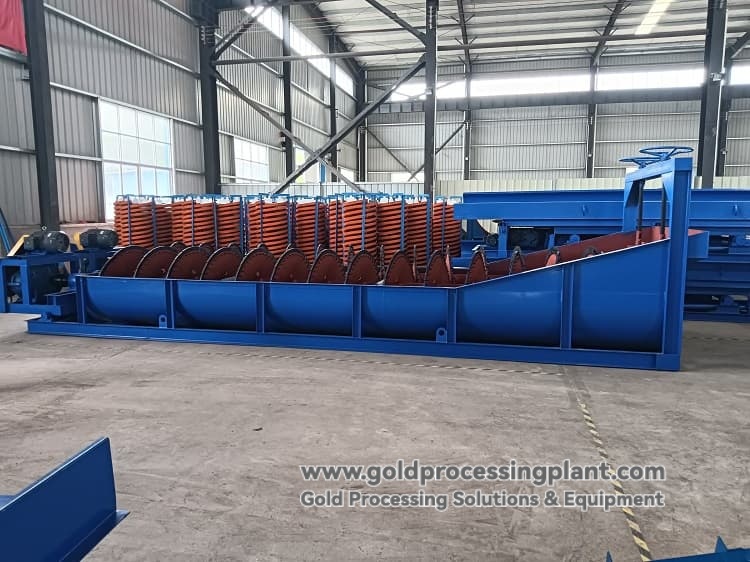
Route 1: Gravity Separation Gold Production Line (for placer gold deposits and coarse-grain gold recovery). Trommel screen/ore washer for washing and classification → chute roughing → centrifugal concentrator for enrichment → shaking table for fine separation → smelting of consolidated gold.Core Equipment: Trommel screen, sluice box, centrifugal concentrator (Nielsen centrifuge), shaking table, sand pump. The entire process relies on physical separation without the need for chemicals; tailings consist of ordinary sand and gravel, resulting in minimal environmental impact. Mobile configurations are suitable for dispersed ore sites, while stationary configurations are suitable for concentrated ore sources.
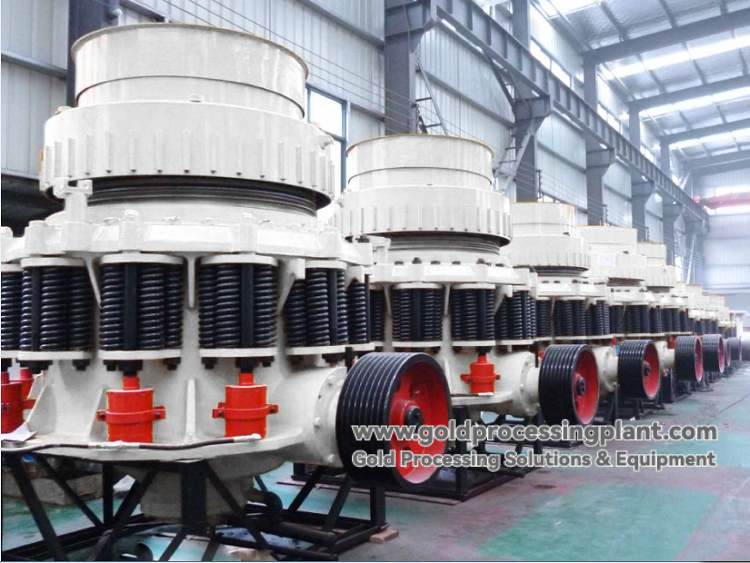
Option 2: Gold Recovery by Flotation Production Line (gold-bearing sulfide ore). Crushing and grinding → slurry preparation and reagent addition → roughing → scavenging → concentrating → gold concentrate → tailings dewatering.Core Equipment: Jaw crusher/cone crusher, ball mill, classifier/hydrocyclone, flotation cell (SF type/XCF/KYF type), thickener, filter press.The flotation concentrate is sent to a smelter or fed into the subsequent cyanide-free leaching stage. The key factors in the flotation stage are grinding fineness and the reagent regimen—grinding fineness determines the degree of liberation, while the reagent regimen determines selectivity.
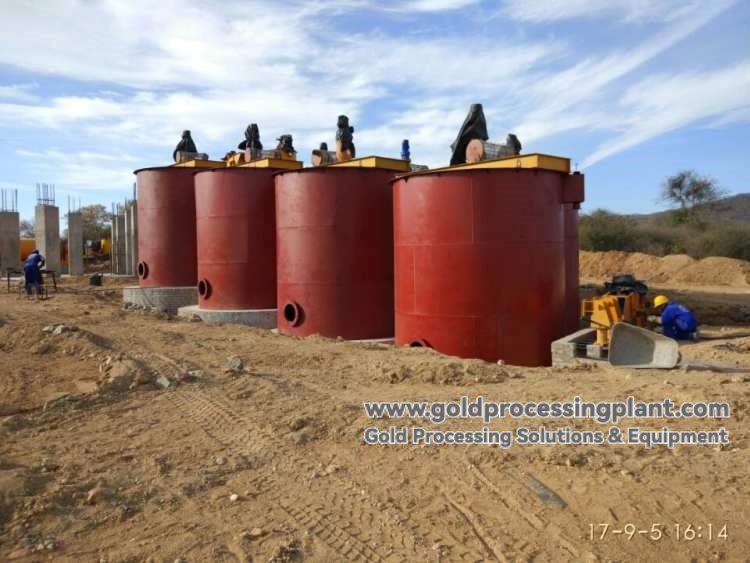
Route 3: Thiourea/Chloride Leaching Production Line (Cyanide-Free Alternative for Hard-to-Treat Ores). Crushing and grinding → Pretreatment (if required) → Acid leaching tanks (thiourea/chloride systems) → Solid-liquid separation → Precious metal recovery (activated carbon adsorption, zinc powder displacement, or electrowinning) → Smelting of gold slime.Core Equipment: Crushing and grinding equipment, corrosion-resistant leaching tanks (with acid-resistant lining), solid-liquid separation equipment (filter presses/filters), activated carbon adsorption system or electrowinning equipment, smelting furnace.Key Points: The acidic system imposes high corrosion resistance requirements on equipment; the materials for leaching tanks, piping, and pumps must be customized according to operating conditions; the reagent regimen and leaching parameters must be determined through testing.
Route 4: Bio-oxidation + Cyanide-Free Leaching Production Line (for difficult-to-process gold ores). Crushing and grinding → Flotation enrichment of sulfides → Bio-oxidation reactor (agitated tank/biological heap leaching) → Solid-liquid separation → Cyanide-free leaching → Recovery of precious metal solution → Smelting.Core Equipment: Flotation cells, bio-oxidation reactors (with aeration and temperature control), thickeners, leaching tanks, adsorption/electrolysis equipment, smelting furnaces. The bio-oxidation stage requires control of temperature, pH, aeration rate, and microbial activity, entailing high operational management demands.
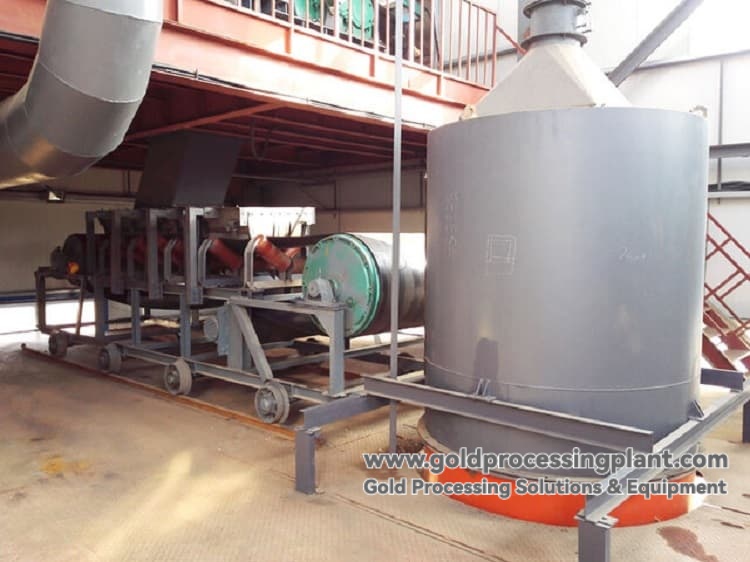
General Supporting Equipment: Feeders, belt conveyors, agitation tanks, slurry pumps, thickeners, filter presses, recirculation systems, and electrical control systems.The tailings treatment section (thickening + filter press dry discharge) is indispensable in any process route—the environmental benefits of the cyanide-free process ultimately depend on the compliant disposal of tailings.
III. Environmental Compliance Design: How to Realize the “Environmental Dividends” of Cyanide-Free Processes
The choice of a cyanide-free route is driven by the goals of environmental compliance and a smooth approval process. However, environmental advantages are not achieved automatically; the following points must be addressed during the design phase:
1. Chemical Selection and Risk Management. Although cyanide-free reagents such as thiourea and chlorinating agents are less toxic than cyanides, they still require storage, dosing, and emergency response designs in accordance with hazardous chemical management requirements. Reagent storage facilities, dosing systems, and leak containment must be properly configured; management standards must not be relaxed simply because the process is “cyanide-free.”
2. Acidic wastewater treatment. Thiourea and chloride leaching are typically conducted under acidic conditions. The treatment of acidic wastewater and heavy metal ions must include配套 neutralization and precipitation processes, followed by reuse or discharge after meeting regulatory standards. This is a key focus of environmental design for cyanide-free leaching routes; it is not sufficient to design only the leaching section without addressing the wastewater treatment section.
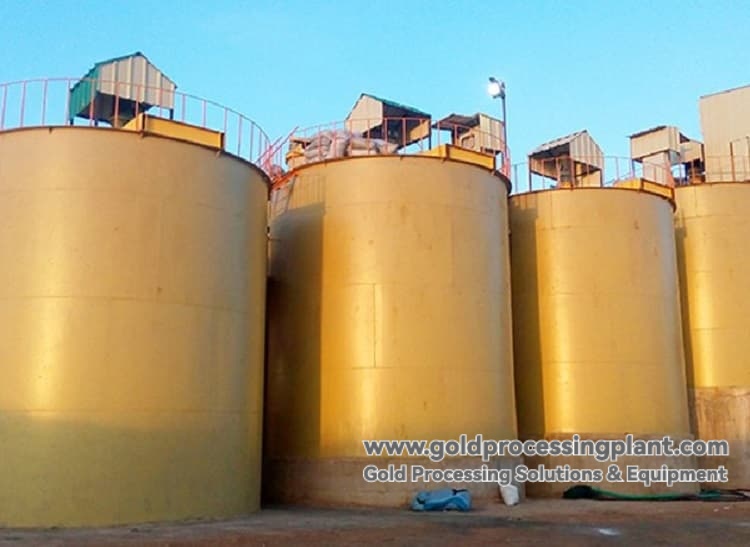
3. Dry Tailings Discharge and Water Recirculation. Implement dry tailings discharge using a thickener followed by a filter press, and recycle water to reduce fresh water consumption and discharge volume. Dry tailings stockpiles must be equipped with bottom impermeable liners, drainage systems, and leachate collection; closure and reclamation designs must comply with local environmental regulations.
4. Exhaust Gas and Dust Control. Chloride-based gold extraction requires配套 exhaust gas absorption and treatment; dust collection equipment is installed in the crushing and screening section; and the biological oxidation section controls odors and aerosols.
5. Environmental Impact Assessment and Acceptance. Cyanide-free processes typically face smoother environmental impact assessment approvals than cyanide-based routes; however, environmental impact assessments, safety evaluations, and completion acceptance must still be completed in accordance with local regulations. The client is responsible for organizing local compliance procedures, and we will provide technical documentation to support these efforts.
IV. Customized Production Line Design: Pilot Testing First, Then Finalizing the Plan
The “customization” of cyanide-free gold extraction plants is not merely a slogan—it is dictated by the characteristics of the ore. For the same thiourea leaching process, ore with high copper content doubles reagent consumption; for the same flotation process, ore with a high proportion of clay-bound minerals results in low concentrate grades. Therefore, the design process must begin with mineral processing tests:
Step 1: Mineral Processing Tests and Process Validation. Conduct chemical analysis and processability tests on representative ore samples, covering gravity separation tests, flotation tests, cyanide-free leaching (thiourea/chloride) condition tests, and bio-oxidation tests, among others, to compare recovery rates and costs across different processing routes.The test report not only provides recommended processes and expected recovery rates but also directly includes a list of equipment selections and a preliminary budget. Standard validation takes approximately 3–4 weeks, while a complete proposal report typically takes 30–45 days; complex ores require additional validation steps, extending the timeline accordingly.
Step 2: Process Design, Equipment Selection, and Quotation. Based on the test data, the process route and parameters are determined, and a process flow diagram, equipment configuration list, equipment selection plan, and budget quotation are provided.
Step 3: Engineering Drawing Design. We produce site layout plans, equipment foundation drawings, layout diagrams, piping diagrams, and civil engineering requirement drawings, and provide a comprehensive technical briefing. For applications involving acid leaching or chlorinated environments, the drawings clearly specify equipment materials and corrosion-resistant requirements.
Step 4: Equipment Manufacturing and Supply. Core equipment is manufactured according to the drawings, with corrosion-resistant materials and adaptations for special operating conditions customized as needed.GoldProcessingPlant operates its own manufacturing facility and can independently supply equipment for the entire process—including crushing, grinding, gravity separation, flotation, leaching, and concentration/dewatering. The same team oversees both the process and the equipment, preventing discrepancies between design drawings and actual equipment dimensions.
Step 5: Installation, Commissioning, and Personnel Training. We dispatch engineers to provide on-site installation guidance, lead the commissioning of individual units and integrated trial runs with actual feed material, and optimize reagent regimes, leaching parameters, and operating conditions until qualified, high-purity gold is produced. We also provide theoretical and hands-on training for the client\'s team.
Regarding Performance Commitments: Recovery rates are determined by the inherent characteristics of the ore; we do not commit to unrealistic absolute figures. What we can commit to is this: through rigorous process design, we will develop a process capable of achieving the highest attainable recovery rate under the specific conditions of this ore, and we will strive for excellence in equipment selection and process control.Both parties shall agree in the contract on reasonable acceptance criteria based on the same ore source and the same operating conditions.
V. Scope of Delivery and Flexible Services
For the construction of cyanide-free gold extraction plants, GoldProcessingPlant offers EPC turnkey services, coordinating process design, equipment manufacturing, installation guidance, integrated commissioning, and personnel training, while assuming responsibility for the final production targets.Clear Scope of Delivery: GoldProcessingPlant is responsible for technology, equipment, and commissioning, while the client is responsible for civil engineering, local installation labor, site “utility connections and land grading,” and local compliance procedures. This division of labor ensures accountability for project quality while helping the client save significant labor costs.
No Mandatory Bundling: Clients may choose to conduct only mineral processing tests and process validation; purchase only process design and equipment selection quotes; obtain only engineering drawings; procure individual units or complete sets of equipment; or engage engineers for on-site commissioning. Initial costs for mineral processing tests and design fees can be fully offset against equipment payments when subsequent equipment or EPC contracts are signed.
Regarding project timelines, a typical gold mine project takes approximately 8–15 months from the start of process design to production commencement: process design and equipment selection quotation (7–15 days) → engineering drawing design (20–30 days) → equipment manufacturing (60–120 days) → logistics (30–60 days) → installation and commissioning (60–150 days).The cyanide-free leaching process involves corrosion-resistant equipment and wastewater treatment systems, so sufficient time must be allocated for the commissioning period; for overseas projects, additional buffer time should be set aside for customs clearance and transition periods.
VI. Applicability of Cyanide-Free Gold Extraction: Which Ores Are Suitable, and Which Require Caution
Objectively speaking, cyanide-free gold extraction is not a one-size-fits-all solution. The following scenarios require careful evaluation:
Suitable for the cyanide-free route: Alluvial gold deposits and oxidized ores dominated by coarse-grained free gold (gravity separation); projects involving gold-bearing sulfide ores where concentrates can be sold to smelters (flotation);Regions with strict environmental approvals where the cyanide route is difficult to implement; difficult-to-process ores containing arsenic or carbon, where cyanide-free leaching demonstrates good tolerance to interfering elements (thiourea); projects aiming for long-term green operations and building an eco-friendly brand.
Requires careful consideration: Ores with a high proportion of fine-grained encapsulated gold, where cyanide-free leaching recovery rates are significantly lower than those of cyanide leaching; projects where thiourea/chloride reagent costs are high and local supply is inconvenient; sites lacking the necessary facilities for treating acidic wastewater.In these situations, economic feasibility must be thoroughly evaluated through pilot testing; where necessary, compromise solutions—such as “selling flotation concentrates externally and rendering tailings harmless”—should be adopted rather than rigidly pursuing cyanide-free leaching.
The core logic behind the design of a cyanide-free gold extraction plant involves two parallel lines of approach: One is the environmental protection line—chemical risk management, acidic wastewater treatment, and dry tailings disposal and reuse—to truly realize the environmental benefits of “cyanide-free” operations;the other is the recovery rate line—selecting the appropriate process route based on ore characteristics, using gravity separation to capture coarse particles, flotation to concentrate sulfides, and cyanide-free leaching to recover fine particles, with each step supported by experimental data. Only when both lines are firmly established can a cyanide-free gold extraction plant achieve both environmental and economic benefits.