


Chlorination Pretreatment Process and Plan for Carbonaceous Gold Ore Beneficiation: Overcoming the "Gold-Stealing" Effect to Turn Hard-to-Process Ore into a Source of Profit
Chlorination Pretreatment Process and Plan for Carbonaceous Gold Ore: Overcoming the “Gold-Snatching” Effect to Turn Difficult-to-Process Ore into a Source of Profit
Carbonaceous gold ores are globally recognized as one of the most difficult types of gold ores to process. The carbonaceous materials in these ores (such as graphite, activated carbon, and humic acid) “sequester gold”—adsorbing dissolved gold cyanide complexes—which leads to a significant drop in conventional cyanide leaching recovery rates, typically ranging from only 20–50%.Many mine operators have faced this dilemma: even after replacing equipment twice, recovery rates remain low, and chemical consumption stays high. The root of the problem often lies not in the equipment, but in the failure to effectively treat carbonaceous materials prior to leaching.Taking GoldProcessingPlant\'s chlorination pretreatment process and solution for carbonaceous gold ore as an example, this article systematically outlines the ore characteristics of carbonaceous gold ore, the principles of chlorination pretreatment, the process flow, equipment configuration, and implementation pathways, providing practical technical guidance for carbonaceous gold ore developers.
I. Ore Characteristics of Carbonaceous Gold Ore: Why Conventional Cyanide Leaching Yields Are Low
The difficulty in processing carbonaceous gold ore stems primarily from the “gold-sequestration” effect of carbonaceous material:
1. Carbonaceous materials adsorb dissolved gold.
Carbonaceous materials in the ore—such as graphite, activated carbon, and humic acid—possess adsorption properties similar to those of activated carbon.During the cyanide leaching process, gold is dissolved into the solution as gold-cyanide complexes, but carbonaceous materials re-adsorb this dissolved gold back onto the solid phase, resulting in a situation where “gold is leached out but not recovered.”
2. The type of carbonaceous material determines the difficulty of pretreatment.
The “gold-sequestration” capacity varies significantly among different carbonaceous materials: activated carbon has the strongest adsorption capacity, followed by graphite, while humic acids are relatively weaker. The choice of pretreatment method depends on the content and form of the carbonaceous materials.
3. These ores often occur in association with arsenic and sulfur, adding further challenges to processing.
Carbonaceous gold ores often occur in association with arsenic-bearing pyrite, arsenopyrite, and other minerals. Arsenic encapsulates the gold, while carbon re-adsorbs the dissolved gold; under this dual interference, conventional cyanide leaching yields are pitifully low, resulting in a complete waste of reagents.
4. Direct leaching using conventional processes is economically unfeasible.
Direct cyanidation without pretreatment not only results in low leaching rates but also high cyanide consumption, making the process economically unfeasible. It is essential to “passivate” or remove the carbonaceous material prior to leaching to eliminate the gold-sequestration effect.
II. Core Principle of Chlorination Pretreatment: Passivating Carbonaceous Materials to Eliminate the Gold-Snatching Effect
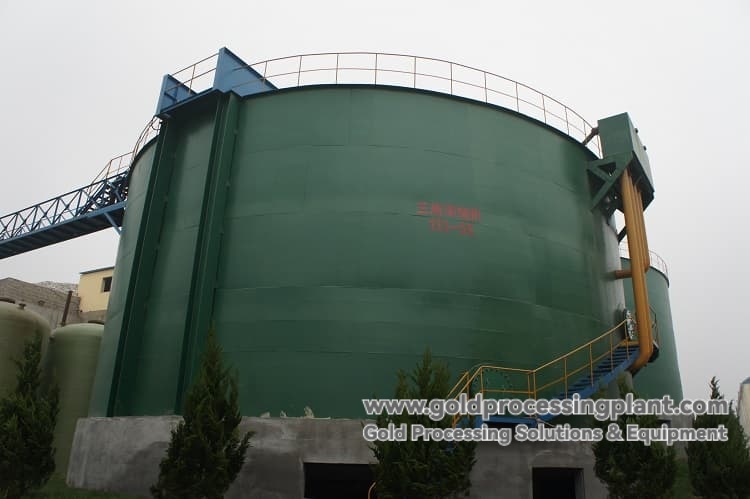
Chlorination pretreatment is a specialized solution targeting the “gold-scavenging” effect in carbonaceous gold ores. Its core logic is as follows:Prior to cyanide leaching, carbonaceous material is oxidized or passivated using a chlorinating agent, which destroys its active adsorption sites. This causes the carbonaceous material to lose its ability to adsorb gold cyanide complexes, thereby allowing the dissolved gold to remain in the solution and be recovered normally using activated carbon or zinc powder.
Key Principles:
1. Oxidation destroys the surface activity of carbonaceous materials.
Chlorinating agents (such as sodium hypochlorite, chlorine gas, etc.) possess strong oxidizing properties, capable of oxidizing the active adsorption sites on the surface of carbon-based materials and reducing their adsorption capacity. After treatment, the “gold-snatching” capacity of the carbon-based materials is significantly reduced.
2. Selective action on carbon-based materials to minimize adverse effects on gold.
The pretreatment process requires careful control of chemical dosages and reaction conditions to passivate the carbon-based materials while avoiding excessive oxidation that could adversely affect subsequent leaching efficiency. Specific chemical regimens and reaction parameters must be determined through mineral processing tests.
3. Integration into a combined process with flotation and cyanidation.
Chlorination pretreatment is not typically used in isolation but is integrated into a combined process of “flotation enrichment → chlorination pretreatment → cyanide leaching”: flotation first enriches gold-bearing sulfides into concentrate, reducing the feed volume for subsequent pretreatment;chlorination pretreatment eliminates the gold-sequestration effect of carbonaceous matter; and cyanide leaching recovers the gold.
It should be noted that chlorination is not the only pretreatment method for carbonaceous gold ores; others include flotation to suppress carbonaceous material, roasting, biooxidation, and chemical oxidation.The specific choice depends on the carbon/arsenic/antimony content and their occurrence conditions, and must be verified through comparative mineral processing tests. GoldProcessingPlant provides customized reagent systems and pre-treatment solutions for carbon-bearing gold ores; for ores where conventional leaching rates cannot be improved, we eliminate interfering factors using integrated processes and customized reagent regimes.
III. Recommended Process Flow: Flotation Enrichment + Chlorination Pretreatment + Cyanide Leaching
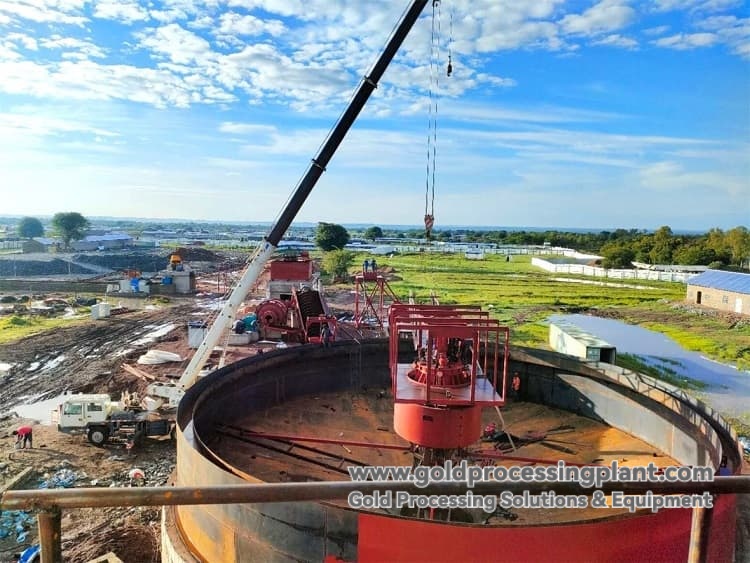
For carbonaceous gold ores, GoldProcessingPlant recommends the following integrated process route: flotation enrichment → chlorination pretreatment → cyanide leaching:
Step 1: Crushing and Grinding.
Coarse crushing is performed using a jaw crusher, followed by medium and fine crushing with a cone crusher. Closed-circuit grinding is carried out using a ball mill and classifier. The grinding fineness must ensure the individual liberation of gold-bearing minerals while avoiding over-grinding.
Step 2: Flotation Enrichment of Gold-Bearing Sulfides.
A combination of flotation cells (SF, XCF, and KYF types) is used for roughing, scavenging, and cleaning to concentrate the gold-bearing sulfides into concentrate.The purpose of flotation is to reduce the feed volume for subsequent pretreatment—by processing only the concentrate rather than the entire ore stream, pretreatment costs are significantly reduced. For carbon-bearing ores, carbonaceous matter must be suppressed during the flotation stage to prevent it from being concentrated with the concentrate or interfering with the flotation foam.
Step 3: Chlorination Pretreatment.
The flotation concentrate undergoes chlorination pretreatment, using a chlorinating agent to oxidize or passivate carbonaceous matter and eliminate the gold-snatching effect. This step is critical to improving the recovery rate of gold from carbonaceous ore; reagent dosage, reaction time, and pH conditions must be determined through testing.
Step 4: Cyanide Leaching.
The pretreated concentrate enters the CIL/CIP leaching and adsorption system. Cyanide and lime are added to the leaching tank to adjust the pH, and activated carbon adsorbs the gold. The gold-bearing carbon is then desorbed through electrolysis and smelted to produce alloy gold.Since the carbonaceous material has been passivated, the dissolved gold is no longer leached away, resulting in a significant improvement in leaching recovery.
Step 5: Tailings Treatment.
Leaching tailings are dewatered using a thickener and a filter press, after which the tailings are either dry-stacked or discharged in compliance with regulatory standards.
Key Process Considerations: The content and type of carbonaceous material determine the chemical regimen and cost of the chlorination pretreatment; the grade of the flotation concentrate and the sulfur recovery rate directly affect the economics of subsequent pretreatment; leaching conditions after pretreatment must be re-optimized and cannot simply follow conventional cyanidation parameters.
IV. Core Equipment Configuration
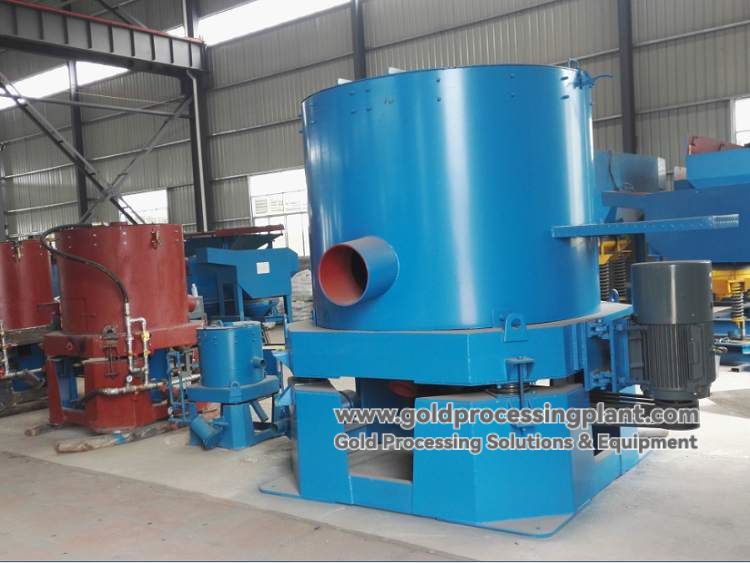
The core equipment configuration for the chlorination pretreatment mineral processing scheme for carbonaceous gold ore is as follows:
Crushing and Grinding Section:
Jaw crusher (primary crushing) + cone crusher (secondary and tertiary crushing) + ball mill (two-stage grinding: grid type + overflow type) + spiral classifier/hydrocyclone (closed-circuit classification).
Flotation Section:
Floating machine series (SF-type self-aspirating pulp, XCF/KYF-type aerated), combined roughing, scavenging, and concentrating units; supporting agitation tanks (reagent mixing) and dosing systems.
Chlorination Pretreatment Section:
Pre-treatment reaction tanks (with agitation, corrosion-resistant lining), chlorination agent dosing equipment, pH adjustment system, ventilation and exhaust gas treatment equipment. Equipment materials must be upgraded with corrosion protection (corrosion-resistant stainless steel or internal corrosion-resistant coatings) to withstand the corrosive chlorination environment.
Cyanide Leaching Section:
CIL/CIP leaching and adsorption system, including leaching tanks (with agitation and aeration), activated carbon adsorption system, gold-bearing carbon separation screens (carbon separator screens/air lifters), desorption and electrolysis equipment (ambient temperature and pressure/high temperature and high pressure), and gold smelting furnace.
Concentration and Dewatering Section:
Thickener (concentrate and tailings dewatering) + filter press (tailings dry discharge) + dewatering screen.
Auxiliary Equipment:
Vibrating feeders, belt conveyors, slurry pumps, carbon recovery pumps, and clean water pumps.
GoldProcessingPlant operates its own manufacturing facility, covering equipment for the entire process flow—from crushing and grinding to flotation, leaching and adsorption, and concentration and dewatering. Process design and equipment selection are managed by the same team, eliminating the disconnect where “the design institute\'s drawings are not recognized by the equipment manufacturer.”For corrosive operating conditions involving chloride pretreatment, customized corrosion-resistant upgrades to equipment materials are available.
V. Solution Implementation: The Complete Path from Mineral Processing Testing to Production
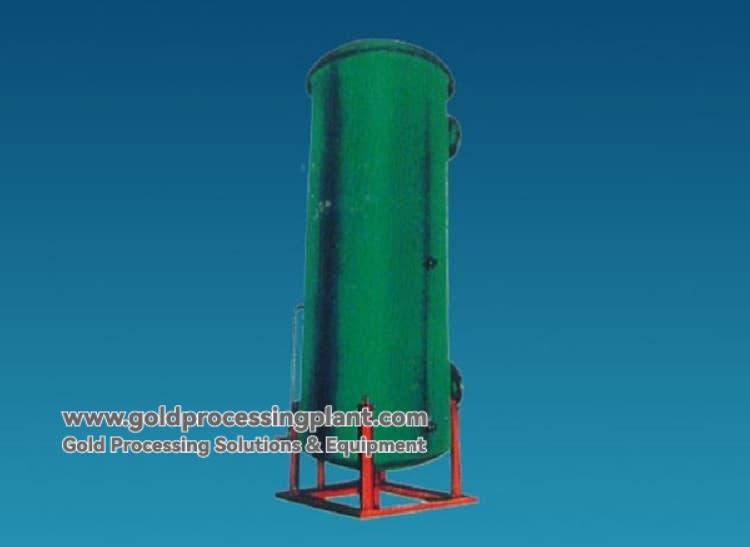
The complexity of carbon-bearing gold ores means that solutions cannot be decided on a whim; they must be validated through mineral processing tests. GoldProcessingPlant\'s collaboration process is as follows:
Phase 1: Requirements Discussion and Preliminary Assessment.
We assess the ore type, carbon content, raw ore grade, processing capacity, target indicators, and site conditions to make a preliminary determination of the pretreatment approach.
Phase 2: Mineral Processing Tests and Process Validation.
Conduct chemical analysis and beneficiation tests on representative ore samples, covering flotation tests, chloride pre-treatment condition tests, and cyanide leaching tests, to compare leaching rates and economic viability across different pre-treatment methods. The test report not only provides recommended processes and expected recovery rates but also directly includes a list of recommended equipment and a preliminary budget.Standard validation takes approximately 3–4 weeks, and a complete proposal report is typically issued within 30–45 days; if the ore properties are particularly complex, additional validation steps may be required, extending the timeline accordingly.
Phase 3: Process Design, Equipment Selection, and Quotation.
Based on the test data, the process route and parameters for flotation + chlorination pretreatment + cyanidation are determined, and a process flow diagram, equipment configuration list, equipment selection plan, and budget quotation are provided.
Phase 4: Engineering Drawing Design.
We will prepare site layout plans, equipment foundation drawings, layout diagrams, piping diagrams, and civil engineering requirement drawings, and provide a comprehensive technical briefing.
Phase 5: Equipment Manufacturing and Supply.
Core equipment will be manufactured according to the drawings; non-standard components (corrosion-resistant materials, adaptations for special operating conditions) will be custom-made as needed. The manufacturing lead time for standard equipment is 60–90 days; lead times for non-standard custom components will be extended accordingly.
Phase 6: Installation, Commissioning, and Personnel Training.
Dispatch engineers to provide on-site installation guidance; lead the commissioning of individual units and integrated trial runs with feed material; optimize the pre-treatment chemical regimen, grinding fineness, and leaching parameters until qualified, high-purity gold is produced; and provide theoretical and hands-on training to the client\'s team.
Regarding Performance Commitments: Recovery rates are determined by the inherent characteristics of the ore (particle size distribution, association with other minerals, occurrence state, and type of carbonaceous material). GoldProcessingPlant does not commit to absolute figures that are detached from reality.What we can commit to is: through rigorous process design, we will develop a process that achieves the highest attainable recovery rate under the specific conditions of this ore, and we will strive for excellence in equipment selection and process control. Both parties will agree in the contract on reasonable acceptance criteria based on the same ore source and the same operating conditions.
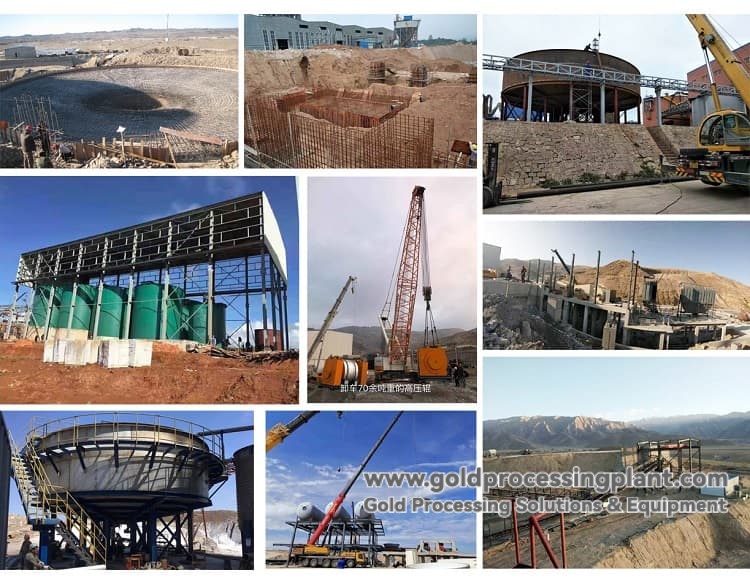
VI. Flexible Service Model: No Mandatory Bundling; Choose as Needed
Investments in carbonaceous gold ore projects carry high risks. GoldProcessingPlant offers flexible, phased services to lower the barrier to client decision-making:
Conduct only mineral processing tests and process validation (to first assess the feasibility and economic viability of pre-treatment);
Purchase only process design and equipment selection quotations;
Purchase engineering drawings only;
Purchase individual units or complete equipment sets;
Hire engineers for on-site commissioning only;
Or opt for an EPC turnkey solution, which comprehensively manages design, equipment, installation guidance, commissioning, and training, and assumes responsibility for the final production targets.
Upfront payments for mineral processing test fees and design fees can be fully offset against the equipment cost when subsequently signing an equipment or EPC contract. If, following the assessment, it is determined that the project has no economic value, we will inform you honestly and will not engage in blind sales.
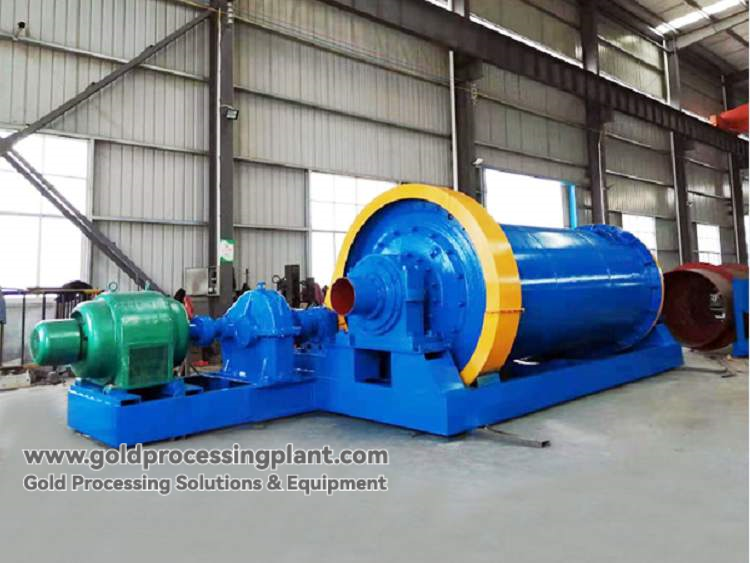
VII. Reference Project Timeline
For carbonaceous gold ore projects, the overall timeline from the start of process design to final production commencement is typically around 8 to 15 months; additional buffer time should be allocated for complex, difficult-to-process ores.Key Milestones: Process design and equipment selection quotation—7–15 days → Engineering drawing design—20–30 days → Equipment manufacturing—60–120 days → Logistics—30–60 days → Installation and commissioning—60–150 days.Commissioning for integrated processes involving chloride-based pretreatment takes relatively longer, so a sufficient commissioning period must be allocated. For overseas projects, additional buffer time should be set aside for customs clearance (approximately 30 days) and a transition period (approximately 30 days).
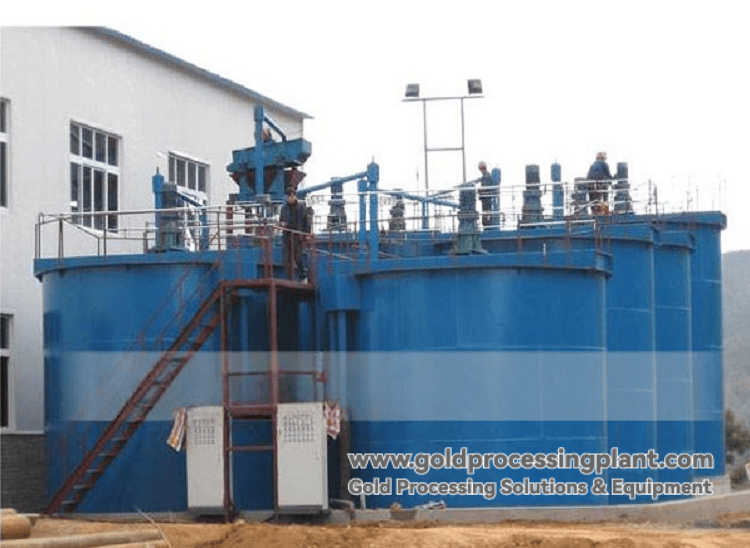
Carbon-bearing ore is not waste ore; it is a resource in the wrong place. The “gold heist” of carbon-bearing gold ore