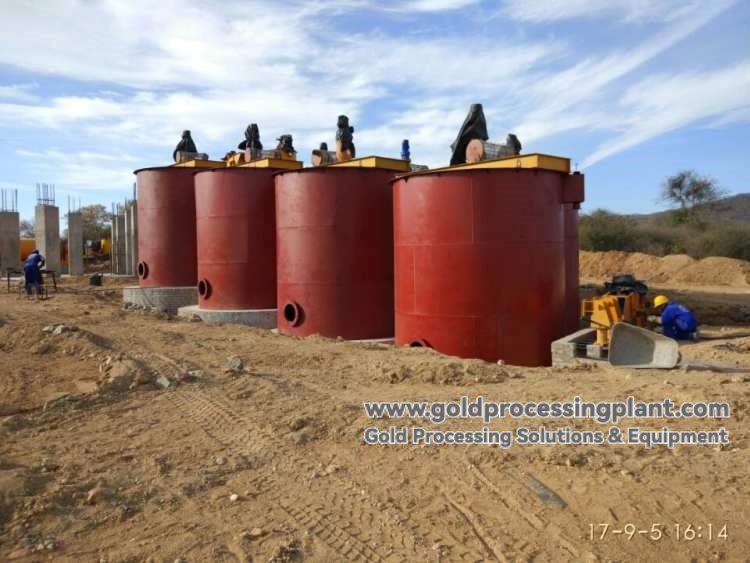
For a turnkey EPC project for a gold ore processing plant, what is the payback period for a CIP production line with a daily processing capacity of 500 metric tons?
EPC Turnkey Solution for a Gold Mine Processing Plant: What Is the Payback Period for a 500-Metric-Ton-Per-Day CIP Production Line?
“How long will it take to recoup the investment in a 500-metric-ton-per-day CIP production line?” This is one of the top concerns for gold mine investors before signing an EPC contract. However, the payback period isn\'t a fixed number that can be determined on a whim—it depends on five variables: the gold price, ore grade, recovery rate, total investment, and operating costs.Using a 500 metric tons per day CIP production line as a benchmark, this article breaks down the investment structure, the logic behind revenue projections, and the payback period calculation method, and provides payback period ranges for different ore grades to help you make informed investment decisions.
I. First, the Conclusion: The Approximate Payback Period Range
Based on current gold prices and typical project conditions, the payback period for a 500 metric tons per day CIP production line generally ranges from 1.5 to 3.5 years. The exact duration depends primarily on the ore grade and recovery rate:
| Ore Grade (g/t) | Assumed Recovery Rate | Annual Gold Production (kg) | Annual Output Value (10,000 yuan, based on a gold price of 550 yuan/g) | Payback Period Range |
|---|---|---|---|---|
| 2.0 | 88% | Approx. 322 | Approx. 17,700 | 3 years or more |
| 3.0 | 90% | Approx. 493 | Approx. 27,100 | 2–2.5 years |
| 4.0 | 90% | Approx. 657 | Approx. 36,100 | 1.5–2 years |
| 5.0 or higher | 90% | Approx. 822 | Approx. 45,200 | Approximately 1.5 years or less |
Note: The above figures are illustrative static estimates and do not account for taxes, financing costs, gold price fluctuations, or the ramp-up period to full production capacity. The actual payback period is subject to the project feasibility study and contractual terms.Ore grade is the decisive variable—for every 1 g/t increase in ore grade, annual output value increases by approximately 90 million yuan (based on a 500 metric tons per day scale), and the payback period is significantly shortened.
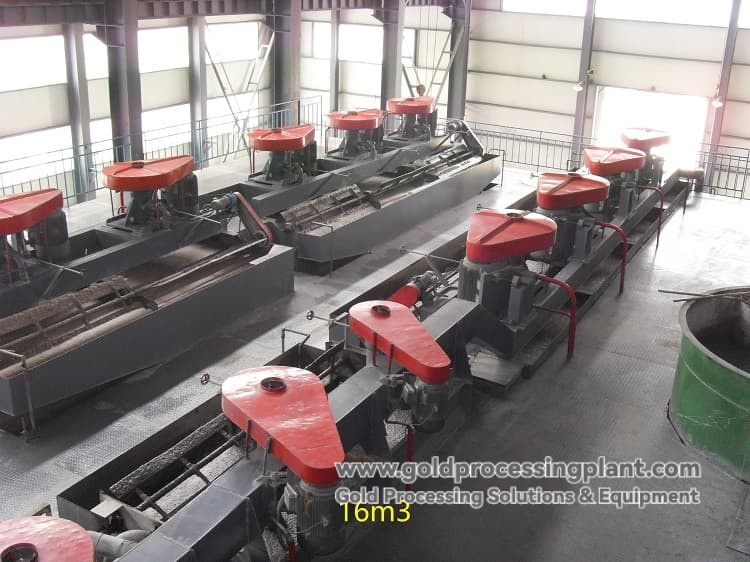
II. Investment Breakdown for a 500-metric-ton-per-day CIP Production Line
According to GoldProcessingPlant\'s pricing system for complete sets of main equipment, the price range for a 500 metric tons per day CIP complete set of main equipment is approximately $900,000–$1.35 million (equivalent to approximately 6.5–9.7 million RMB, based on an exchange rate of 7.2),with the lower end of the range corresponding to standard configurations and conventional ores, and the upper end corresponding to non-standard customization, complex ores, or more comprehensive configurations.
However, the price of the complete set of main equipment does not equal the total project investment. The complete investment breakdown includes:
| Investment Items | Description | Reference Percentage |
|---|---|---|
| Complete Set of Main Equipment | Crushing, grinding, leaching, adsorption, desorption, electrolysis, concentration, dewatering, etc. | Approx. 40–50% |
| Civil Engineering | Plant buildings, equipment foundations, tailings ponds, etc.; organized locally by the client | Approx. 20–30% |
| Installation labor and auxiliary materials | Local installation workers, piping, and electrical supplies | Approx. 10–15% |
| Logistics and Transportation | Domestic transportation + international ocean/land freight + customs clearance | Approx. 5–10% |
| Support and Spare Parts | Diesel generator sets, spare parts, commissioning materials | Approx. 5–10% |
| Design and Management | Process design, engineering drawings, commissioning and training | Included in the EPC contract or billed separately |
Important Note: In an EPC turnkey solution, the general contractor is responsible for equipment manufacturing, process design, installation guidance, and commissioning training; civil construction and general installation labor are organized locally by the client. This is key to controlling total investment—including high labor and civil construction costs in the total price will significantly drive up investment costs.
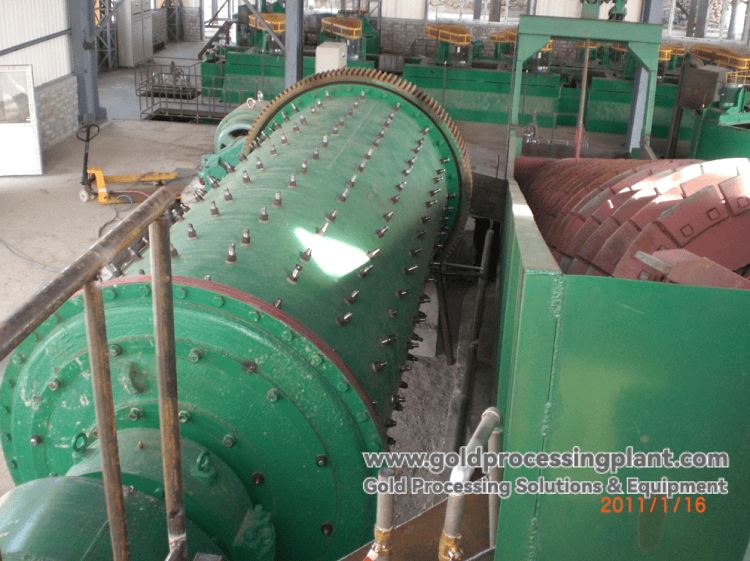
III. Profit Projections: How to Calculate Annual Output Value
Formula for calculating the annual gold output of a CIP production line:
Annual Gold Production (kg) = Daily Processing Capacity (t/d) × Annual Operating Days (d) × Ore Grade (g/t) × Recovery Rate ÷ 1000
Taking an example of 500 metric tons per day, 330 operating days per year, a grade of 3 g/t, and a recovery rate of 90%:
500 × 330 × 3 × 90% ÷ 1,000 = approximately 446 kg/year
Based on a gold price of 550 yuan/g, the annual output value is approximately 245 million yuan. After deducting operating costs (mining, chemicals, electricity, labor, maintenance, etc., which typically account for 40–60% of the output value), the net profit margin is substantial.
Payback Period = Total Project Investment ÷ Annual Net Profit
The main factors affecting the payback period are:
- Ore grade: For every 1 g/t increase, annual output value increases by approximately 90 million yuan (for a 500 t/d operation);
- Recovery rate: A 5-percentage-point increase results in an approximate 5.5% rise in annual output;
- Gold price: For every 10% increase in the gold price, annual output value increases proportionally;
- Operating Costs: Effective control of chemical consumption, electricity, and labor costs leads to a significant increase in net profit.
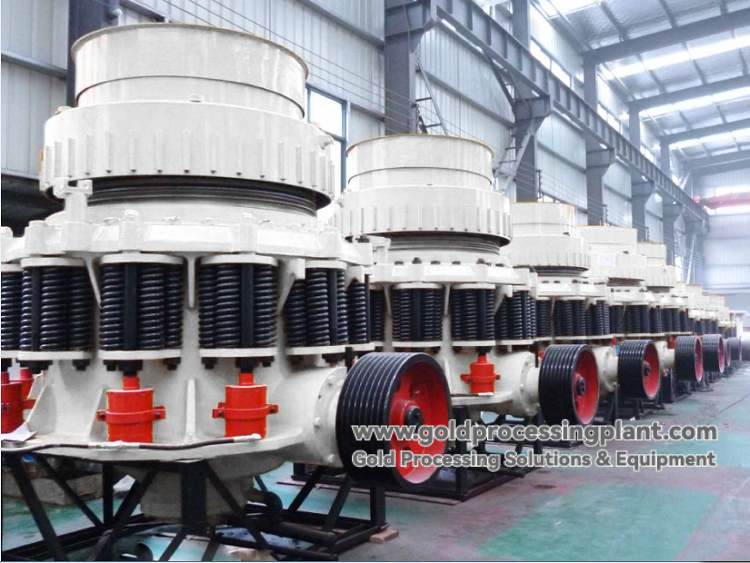
IV. Five Key Variables Affecting the Payback Period
① Ore Grade—The Decisive Variable
Grade is the primary determinant of the payback period. With the same investment, a payback period for a grade of 2 g/t may be twice as long as that for a grade of 4 g/t. This is why we repeatedly emphasize that without representative ore sample data, any investment calculation is like “the blind men and the elephant.”
② Recovery Rate — Determined by the Process
Recovery rates are determined by the grain size and occurrence of gold in the ore, as well as by process design and equipment configuration. The CIP process is highly effective at recovering fine-grained free gold; however, recovery rates will be compromised if grinding fineness does not meet standards, leaching time is insufficient, or adsorption management is inadequate.The value of an EPC contract lies in using process design to maximize the recovery rate under the specific conditions of the ore.
③ Total Investment — Determined by the Scope of Delivery
For the same 500 metric tons per day production line, there is a significant difference in investment between a turnkey contract (including civil engineering and installation labor) and a standard division-of-labor model (where the client organizes civil engineering and labor locally). Under the standard division-of-labor model, the client saves substantial costs on dispatching personnel, thereby shortening the payback period.
④ Operating Costs — Determined by the Synergy Between Equipment and Process
Chemical consumption, electricity consumption, and the frequency of spare part replacements are all related to equipment selection and process compatibility. A fully integrated production line with seamless equipment-process integration features low energy consumption, a rational chemical dosing regimen, and controllable operating costs; in contrast, a pieced-together production line suffers from incompatible interfaces, reduced production capacity, and, consequently, higher operating costs.
⑤ Production Ramp-Up Period — Determined by the Quality of Commissioning
A ramp-up period is often required from the start of production to reaching full capacity. When an EPC contractor stations engineers on-site to lead integrated commissioning and train operators, the ramp-up period is short; however, if the contractor neglects the site after equipment delivery, the ramp-up period may be prolonged by several months, directly affecting the pace of return on investment.
V. What Is Included in the EPC Solution for a 500-metric-ton/day CIP Production Line
GoldProcessingPlant\'s 500 metric tons/day CIP turnkey solution covers the following areas according to standard division of labor:
The EPC contractor is responsible for
- Process design and technical solutions (based on ore testing to determine the CIP process, grinding fineness, and chemical dosing regimen)
- Engineering design and drawings (plant layout, equipment foundations, piping, and civil engineering condition drawings)
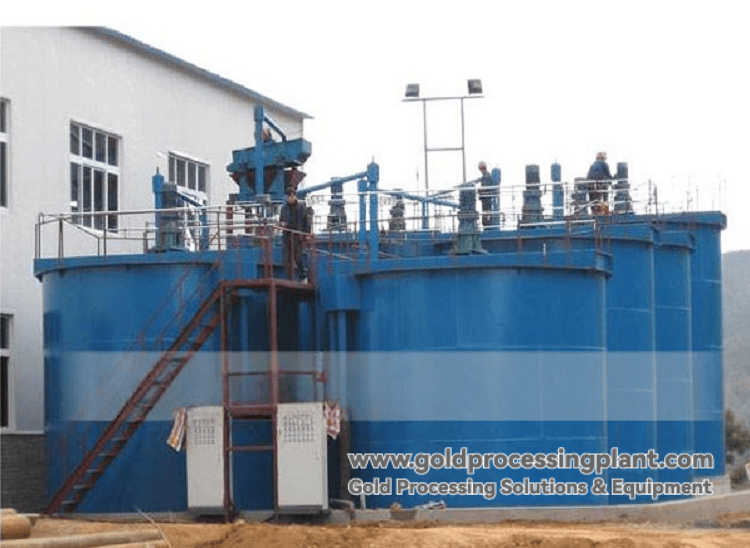
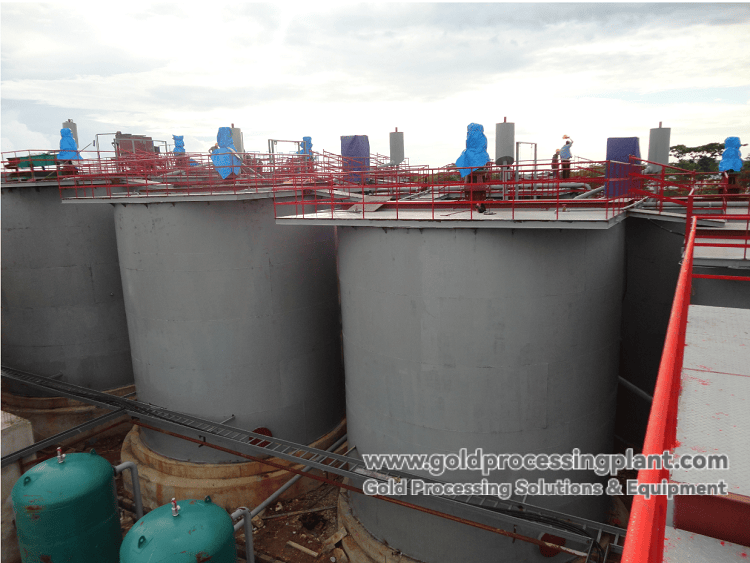
- Manufacturing and supply of core equipment (crushing, grinding, thickening, leaching tanks, adsorption tanks, gold-loaded carbon separation, desorption and electrolysis, tailings filter press)
- On-site installation technical guidance (engineers stationed on-site)
- Integrated commissioning and personnel training (commissioning objectives specified in the contract)
- After-Sales Service and Spare Parts Supply
Client\'s Local Organization
- Civil construction (in accordance with civil engineering drawings)
- Local Installation Workers (with on-site guidance from our engineers)
- “Three Connections and One Leveling” and materials for water, electricity, and commissioning
- Local Compliance Procedures
Reference Timeline: For a typical project, the timeline from contract signing to production start-up is 8–15 months, including 30–45 days for process design, equipment selection, and quotation; approximately 30 days for engineering drawings; 60–120 days for equipment manufacturing; 30–60 days for logistics; and 60–150 days for installation and commissioning.
VI. Action Recommendations for Payback Period Calculations
- Send samples for testing first: ore property analysis + leaching tests to confirm CIP suitability, grinding fineness, and expected recovery rate—this forms the basis for all investment calculations;
- Calculate production volume using test data: Determine annual gold production based on actual grade and recovery rate, rather than making arbitrary estimates;
- Define the scope of investment: Specify the costs for equipment, civil engineering, installation, logistics, and ancillary services; determine whether to use a standard division of labor or a turnkey contract, and include these terms in the contract;
- Estimate operating costs: Estimate chemical, electricity, labor, and maintenance costs based on local conditions;
- Conduct a sensitivity analysis: Consider fluctuations of ±1 g/t in grade, ±10% in the gold price, and ±5% in recovery rate to assess the range of payback period variations and ensure a sufficient margin of safety.
Special Note: Any payback period commitment that is not based on ore test data is unreliable.GoldProcessingPlant does not promise unrealistic absolute figures. What we do promise is this: through rigorous process design, we will develop a process for you that achieves the highest possible recovery rate under the conditions of your ore, and we will strive for excellence in equipment selection and process control—accurate payback period calculations are only possible when the data is accurate.