How to Choose a Complete Set of Electrolytic Processing Equipment for Raw Gold Ore? Professional Solutions to Help You Extract Gold Efficiently
How to Choose a Complete Electrolytic Processing System for Primary Gold Ore? Professional Solutions to Help You Extract Gold Efficiently
In primary gold ore processing plants, upstream processes such as crushing, grinding, flotation, and leaching often receive the most attention because they are where “gold production” is most visible.However, what truly determines the final yield of marketable gold, the stability of gold ingot purity, and whether the overall recovery rate can be achieved is often the overlooked final link—the desorption and electrolysis equipment.
If gold-bearing carbon is not fully desorbed, even the best leaching in the preceding stages won\'t extract the gold; low electrolysis efficiency prevents gold slurry grades from rising, which in turn increases smelting costs; and if the equipment selection doesn\'t match the processing capacity, it results in either “overkill” that wastes investment or a bottleneck that hampers the entire production line.Starting from the characteristics of primary gold ore, this article systematically explains how to select complete desorption and electrolysis equipment, helping you navigate the “last mile” from gold-loaded carbon to refined gold with confidence.
I. First, Let\'s Clarify: Why Primary Gold Ore Cannot Do Without Stripping Electrolysis
In primary gold ore (rock gold ore), gold is predominantly embedded in quartz veins, sulfides (such as pyrite and arsenopyrite), or altered rocks, existing in the form of fissure gold, intergranular gold, or inclusional gold.For conventional rock gold deposits, the industry\'s most common gold extraction route is cyanide leaching (CIL/CIP) combined with activated carbon adsorption: under alkaline conditions, cyanide dissolves the gold into gold-cyanide complexes, which are then adsorbed and concentrated by activated carbon to produce gold-loaded carbon.
Gold-loaded carbon is only a “semi-finished product.” To obtain marketable refined gold or gold ingots, the following steps are required:
- Desorption: Eluting the gold cyanide complexes from the gold-loaded carbon into solution to obtain a high-concentration precious metal solution;
- Electrolysis: Electrodeposition of the precious metal solution causes gold to precipitate at the cathode, forming gold slime;
- Smelting: After acid washing and drying, the gold sludge is smelted into refined gold ingots.
The desorption-electrolysis process line is the core equipment combination responsible for steps 1 and 2. It typically includes a desorption column, an electrolytic cell, a precious/lean solution circulation system, a heating system, a chemical preparation and dosing unit, a rectifier power supply, and a control system. The selection of this equipment directly determines:
- the desorption rate of gold-loaded carbon (whether the gold can be “cleaned” thoroughly);
- Electrolytic current efficiency and gold slurry grade;
- The gold content in the lean carbon (which affects the carbon\'s recyclability and economic viability);
- The final recovery rate and operating costs of the entire CIL/CIP process.
In short: the front-end process determines “whether the gold can be dissolved,” while the desorption and electrolysis process determines “whether the dissolved gold can be recovered and how thoroughly it is recovered.”
II. Special Requirements for Stripping Electrolysis Equipment Imposed by Primary Gold Ore
Different types of ore place vastly different demands on the stripping and electrolysis process. Before selecting equipment, it is essential to thoroughly understand your specific ore:
1. Gold-Loaded Carbon Loading and Impurity Composition
When primary sulfide ores are loaded with gold, the gold-loaded carbon may adsorb not only gold but also metals such as silver, copper, and nickel, as well as some organic impurities. A high impurity load reduces electrolytic current efficiency and contaminates the cathode product. When selecting equipment, consider the electrolytic cell\'s adaptability and whether配套 acid washing and impurity removal processes are required.
2. Difficulty of Gold Desorption
Gold-bearing carbon from quartz vein-type gold deposits is generally easier to desorb; however, for difficult-to-process ores containing arsenic, carbon, or fine-grained encapsulated gold, the desorption kinetics of gold from the carbon may be slower, requiring higher temperatures, higher pressures, or longer desorption times. In such cases, high-temperature, high-pressure desorption is more suitable than desorption at ambient temperature and pressure.
3. Processing Scale
The processing capacity of primary gold ore concentrators ranges from 30 metric tons per day to 5,000 metric tons per day. The daily output of gold-loaded carbon and the desorption capacity per batch directly determine the specifications of the desorption columns and electrolytic cells. Using oversized equipment in small plants wastes investment, while using undersized equipment in large plants results in insufficient desorption capacity and interruptions in carbon recycling.
4. On-Site Operating Conditions
Overseas projects (in Africa, South America, Central Asia, etc.) often face issues such as unstable power supply, varying water quality, and high ambient temperatures; therefore, equipment must account for power supply adaptability, corrosion resistance, and heat dissipation.
III. Five Key Dimensions for Selecting Complete Desorption and Electrolysis Equipment
Dimension 1: Stripping Method—Ambient Temperature and Pressure or High Temperature and Pressure?
This is the first decision point in the selection process.
Room-Temperature, Atmospheric-Pressure Desorption: The equipment is simple, requires a lower investment, and is easy to operate and maintain. It is suitable for conventional quartz vein deposits and small-to-medium-sized processing plants where gold-bearing carbon is easily desorbed. The drawbacks include a relatively long desorption cycle, a limited desorption rate, and poor performance with carbon that is difficult to desorb.
High-Temperature, High-Pressure Desorption: Desorption occurs at higher temperatures and pressures, resulting in fast desorption rates and high desorption efficiency (typically exceeding 98%). This method is suitable for large-scale processing plants, gold-bearing carbon from difficult-to-process ores, and projects seeking high recovery rates. The drawbacks include high equipment costs and stringent requirements for pressure vessel certification and operational expertise.
Selection Recommendations: For conventional ores and small-to-medium-scale operations, prioritize ambient temperature and pressure; for difficult-to-process ores, large-scale operations, or projects with strict requirements for gold content in low-grade carbon, prioritize high temperature and pressure. GoldProcessingPlant offers both ambient temperature and pressure as well as high temperature and pressure desorption and electrolysis equipment, which can be matched based on the desorption characteristics of the ore.
Dimension 2: Matching Desorption Column Specifications to Carbon Processing Capacity
The volume of the desorption column determines the amount of gold-loaded carbon that can be processed per batch. When selecting equipment, carefully calculate:
- The plant\'s daily gold-bearing carbon output (related to processing capacity and the scale of the adsorption system);
- Planned desorption frequency (daily or every few days);
- Matching the desorption volume per batch with the effective volume of the desorption column.
The guiding principle is that the desorption capacity should be slightly greater than the carbon production rate in the preceding stage, allowing for maintenance and fluctuations, to avoid a situation where “carbon waits for the column,” which would cause carbon backlog in the adsorption system and impair leaching and adsorption efficiency.
Dimension 3: Electrolysis Cells and Current Efficiency
Electrolytic cells are central to gold slime production. Key considerations for selection include:
- Electrolytic cell volume and cathode area: These must be matched to the volume of precious metal solution and gold concentration to ensure sufficient deposition time;
- Rectifier power and adjustment range: Current density must be adjustable to accommodate precious liquids with varying gold concentrations;
- Cell material and corrosion resistance: Since the precious metal solution is an alkaline cyanide system, the cell and electrodes must be resistant to alkali and cyanide corrosion;
- Ease of gold sludge collection and cleaning: This affects operational intensity and metal loss.
Only with high electrolytic current efficiency and stable gold sludge grade can subsequent smelting costs be kept low. When selecting equipment, do not focus solely on “whether electrolysis is possible”; instead, consider “how thoroughly the electrolysis is performed and how pure the gold sludge is.”
Dimension 4: Electrolyte Circulation and Heating System
Stripping—Electrolysis typically employs a precious metal solution recirculation system: the precious metal solution obtained from stripping enters the electrolytic cell for electrodeposition, while the depleted solution is returned to the stripping column for reuse. The flow rate matching, heating temperature control accuracy, and pipeline corrosion resistance of this recirculation system all affect stripping efficiency and energy consumption. The heating system (electric heating/steam heating) should be selected based on on-site energy conditions.
Dimension Five: Automation Control and On-Site Adaptability
Modern stripping and electrolysis systems should be equipped with monitoring and regulation capabilities for key parameters such as temperature, pressure, flow rate, and current. For overseas projects, the following must also be considered:
- Voltage stabilization and soft-start configurations in the event of unstable power supply;
- Heat dissipation under high ambient temperatures;
- Operator training and remote technical support.
GoldProcessingPlant\'s experience with overseas projects spans multiple African countries; power supply solutions are considered during the equipment selection phase and can be integrated with diesel generator sets and voltage stabilizers.
IV. The Role of Analytical Electrolysis in the Overall Process: Selection Cannot Be Isolated
Desorption electrolysis is not a standalone piece of equipment; it is connected upstream to the adsorption system and downstream to the smelting process. During equipment selection, it must be seamlessly integrated with the entire production line:
- Matching with the CIL/CIP adsorption system: The amount of gold-loaded carbon produced by the adsorption tanks, as well as the particle size and strength of the carbon, affect the carbon loading and flowability in the desorption column;
- Integration with the desorption-electrolysis to smelting process: Gold slurry output must match the specifications of the smelting furnace;
- Integration with tailwater/leachate treatment: Whether leachate is recycled or treated to meet regulatory standards involves environmental compliance.
This is why process design and equipment selection should be managed by the same team—the parameters of the desorption and electrolysis equipment must conform to the overall process flow, rather than the process having to adapt to the equipment.
V. Common Misconceptions in Equipment Selection and Recommendations for Avoiding Pitfalls
Misconception 1: Focusing Only on Price, Not on Stripping Efficiency.
While the extraction equipment may be inexpensive, low extraction rates and high gold content in the lean carbon mean that gold is left to circulate in the carbon for nothing; the long-term losses far exceed the price difference between equipment options.
Misconception 2: “The Larger the Electrolytic Cell, the Better.”
When the electrolytic cell is too large and the gold concentration in the precious liquid is insufficient, current efficiency actually decreases, resulting in low-grade gold slime and high smelting costs. The cell size must be matched to the volume of precious liquid and the gold concentration.
Misconception 3: Neglecting the carbon cycle balance.
Insufficient stripping capacity leads to a backlog of gold-loaded carbon in the adsorption system, which indirectly hampers leaching and adsorption efficiency and reduces the overall recovery rate of the line.
Misconception 4: Applying standard configurations to difficult-to-process ores.
Arsenic- and carbon-bearing ores exhibit different desorption characteristics for gold-loaded carbon; desorption conditions must be verified through testing before determining equipment configuration.
Key to Avoiding Pitfalls: First, conduct ore characterization and gold-loaded carbon desorption tests; use the data to determine the desorption method and specifications before discussing pricing.
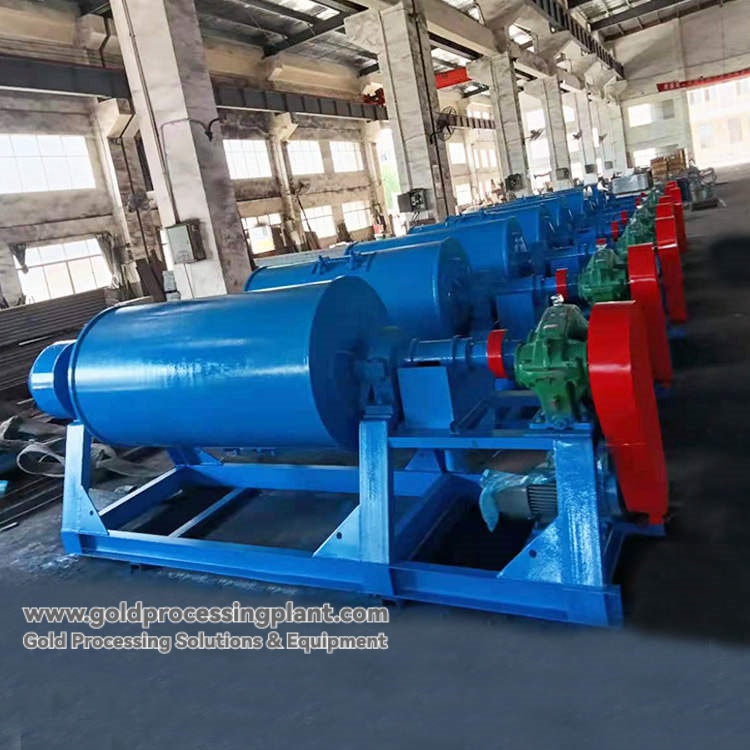
VI. GoldProcessingPlant\'s Complete Desorption and Electrolysis Solution
GoldProcessingPlant is a full-service provider for gold mining operations, integrating process design, engineering design, equipment manufacturing, installation, and commissioning. For the leaching and electrolysis stage, we offer:
- Room-temperature, atmospheric-pressure leaching and electrolysis equipment: Suitable for conventional rock gold ores and small-to-medium-sized processing plants, featuring manageable investment costs and simple operation;
- High-temperature, high-pressure desorption and electrolysis equipment: Suitable for large-scale processing plants and gold-loaded carbon that is difficult to desorb; features high desorption rates and processing efficiency;
- Supporting systems: desorption columns, electrolytic cells, rectifier power supplies, heating and circulation systems, chemical dosing units, and gold slurry filter press and smelting equipment;
- End-to-End Integration: The desorption and electrolysis processes are designed in unison with the upstream CIL/CIP leaching and adsorption systems and the downstream smelting processes to prevent interface incompatibilities;
- Flexible Services: Equipment can be supplied individually or as complete sets; we also provide process design, drawings, installation and commissioning guidance, or EPC turnkey solutions;
- Global Project Experience: Projects span Africa (Ghana, Mali, Tanzania, Sudan), South America (Peru, Colombia), Central Asia (Russia, Kazakhstan), and Southeast Asia, with processing capacities ranging from 30 to 5,000 metric tons per day. We are well-versed in international logistics, customs clearance, and on-site condition adaptation.
Our principle is clear: First, we thoroughly understand the characteristics of your ore and gold-bearing carbon; then, we determine the processing method and equipment specifications; finally, we dispatch engineers to the site to fine-tune the process until gold is recovered. We do not promise absolute recovery rates that are detached from the actual ore conditions; we only commit to processes that achieve the highest recoverable rates based on scientifically validated methods.
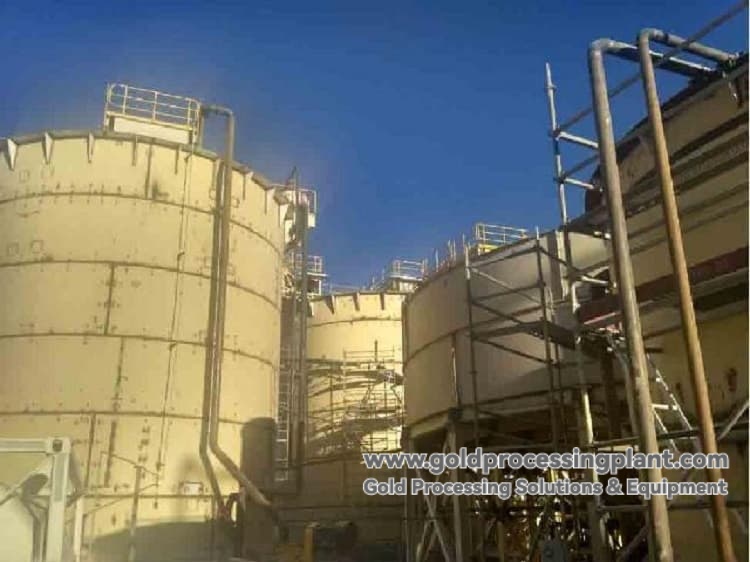
VII. Equipment Selection Checklist: A Five-Step Process
If you are preparing to select a complete desorption-electrolysis system for primary gold ore, we recommend proceeding as follows:
- Provide ore samples and gold-loaded carbon samples: Conduct ore characterization analysis and desorption tests to determine the difficulty of desorption;
- Determine the processing capacity and carbon production schedule: Calculate the daily output of gold-loaded carbon and the desorption frequency;
- Determine the desorption method: ambient temperature and pressure or high temperature and pressure—let the test data speak for itself;
- Match the electrolytic cells and circulation system: Determine specifications based on the volume of precious metal solution and gold concentration, with a focus on current efficiency;
- Confirm scope of delivery and after-sales support: Define the division of responsibilities for equipment manufacturing, installation guidance, commissioning and training, and spare parts supply, and include these details in the contract.