


Mercury-Free Gold Extraction Technology—A New, Environmentally Friendly, and Efficient Solution for Gold Extraction—Supporting Enterprises in Their Green Transformation
Mercury-Free Gold Extraction Technology—A New, Environmentally Friendly and Efficient Solution for Gold Extraction—Supporting Enterprises in Their Green Transformation
Mercury-plate gold recovery was once the most “convenient” method for extracting gold from placer deposits and small-scale bedrock gold deposits—it was low-cost, quick to implement, and delivered immediate, visible results.However, the costs associated with mercury are equally evident: mercury vapor causes irreversible damage to operators\' nervous systems, while mercury-contaminated tailings and wastewater result in long-term soil and water pollution. An increasing number of countries and regions have explicitly restricted or banned mercury-based gold extraction, and environmental inspections and export compliance requirements are also forcing enterprises to transform their operations.The question is: Can gold still be recovered without mercury? The answer is yes, and the recovery rate need not necessarily be lower.Mercury-free gold extraction is not about “trading environmental protection for economic benefits,” but rather about using more rational gravity separation configurations and integrated processes to effectively recover both coarse and fine-grained gold separately. This article begins with the technical pathways for mercury-free alternatives, clearly explaining how to configure equipment, select processes, and implement green upgrades.
I. Why Must We Say Goodbye to Mercury-Based Operations?
Health risks are irreversible. During mercury-based operations, mercury volatilizes as vapor; long-term exposure damages the nervous system and kidneys. Artisanal practices—such as manually squeezing mercury amalgams or using open flames to evaporate mercury—pose even greater risks.
Environmental pollution is long-term. Mercury in mercury-amalgam tailings continues to leach into soil and water bodies, where it accumulates in the food chain; the cost of remediating pollution caused by the direct discharge of mercury-amalgam wastewater is extremely high.
Compliance pressures continue to intensify. The international Minamata Convention imposes clear restrictions on the use and discharge of mercury, and many countries have already banned mercury-in-pulp gold extraction; export markets are also raising their traceability requirements for “mercury-free gold.” Production capacity reliant on mercury-in-pulp processing faces not only environmental penalties but also risks related to market access.
The recovery rate of the amalgamation process itself is not high. Amalgam plates are effective only for well-dissociated coarse-grained free gold; fine-grained gold, encapsulated gold, and gold in gold-bearing sulfides are still lost; gold losses during the amalgamation process are also often underestimated.In other words, mercury amalgamation “trades environmental and health concerns for short-term convenience” and is not the optimal gold extraction technology.
II. Core Approaches to Mercury-Free Gold Extraction
The technical logic behind mercury-free gold extraction is as follows: coarse-grained gold is recovered early through gravity separation, while fine-grained gold and encapsulated gold are recovered through flotation, cyanidation, or combined processes. Specific routes are determined based on ore type:
Route 1: Full Gravity Separation Process (primarily for placer gold deposits and coarse free gold). This is the most direct way to replace mercury-based plates. The process is as follows: ore washing and classification using a trommel screen or ore washer → roughing in a sluice box → enrichment in a centrifugal concentrator → fine selection on a shaking table → smelting of the combined gold concentrate.Chutes and centrifuges are responsible for capturing coarse-grained gold, while shaking tables handle fine selection. The gravity concentration concentrate is sent directly to smelting, with no mercury used throughout the entire process. For dispersed mining sites, mobile configurations can be used; for centralized ore sources, fixed configurations are employed.The recovery rate in gravity separation depends on the degree of liberation and the combination of equipment—the sequence and parameters of the chute, centrifuge, and shaking table directly determine the recovery efficiency of both coarse and fine-grained gold.
Route 2: Combined Gravity Separation and Flotation (for gold-bearing rock ores where coarse and fine gold coexist). The grinding circuit is configured with a centrifugal separator to recover coarse free gold in advance; gravity separation tailings are fed into flotation, where gold-bearing sulfides are enriched to produce a gold concentrate, which is then sent for smelting or cyanidation.Gravity separation replaces the function of mercury plates in “capturing coarse-grained gold,” while flotation addresses the recovery of fine-grained gold and gold-bearing sulfides; this is the most common combination in mercury-free retrofits.
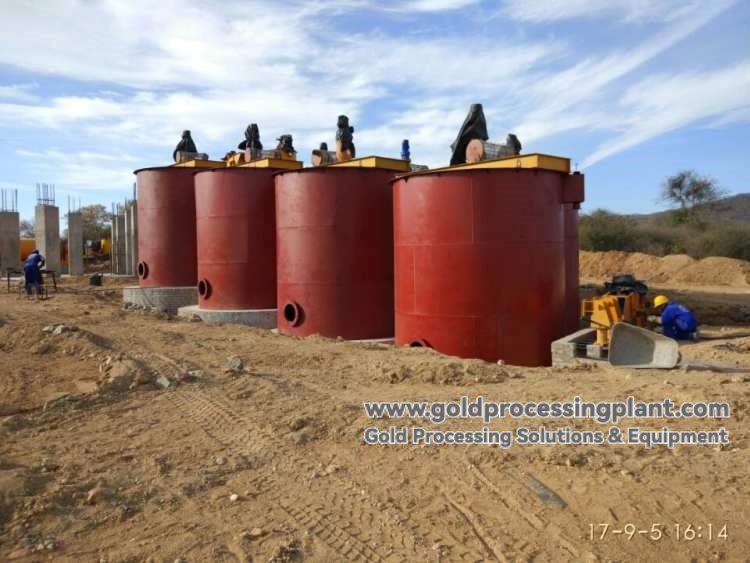
Route 3: CIL/CIP Cyanide Leaching (Whole-ore Cyanide Gold Extraction). Suitable for ores where gold is primarily in a free state and contains no interfering elements such as copper, arsenic, antimony, or carbon. Crushing and grinding → Thickening → Leaching tank (addition of cyanide and lime to adjust pH)→ Activated carbon adsorption (CIL: simultaneous leaching and adsorption / CIP: leaching followed by adsorption) → Separation of gold-bearing carbon → Desorption and electrolysis → Smelting of gold slurry. Cyanide itself does not contain mercury; when combined with cyanide-containing wastewater treatment and dry tailings disposal, this process meets environmental requirements.
Route 4: Zinc Powder Displacement (Gold Recovery from Precious Liquids). Suitable for gold recovery from heap-leached precious liquids and CCD counter-current washed precious liquids, this method replaces activated carbon adsorption and is ideal for precious liquids with high silver content or where carbon adsorption is ineffective. Clarification and filtration of precious liquid → deoxygenation → addition of zinc powder for displacement → filtration of gold slime → acid washing → smelting; the entire process is mercury-free.
Route 5: Combined Process. A combination of gravity separation, flotation, and cyanidation, with process stages selected based on ore characteristics; this is the solution with the strongest ability to ensure minimum recovery rates during mercury-free retrofitting.
It should be noted that mercury-free ≠ cyanide-free. Cyanide leaching is a mature industrial gold extraction technology; environmental management focuses on closed-loop circulation of cyanide-containing wastewater, standardized treatment, and dry tailings disposal.If the project\'s location imposes additional restrictions on the use of cyanides, the feasibility of the gravity separation + flotation route or non-cyanide leaching reagents can be evaluated, subject to ore testing results and local regulations.
III. How Should Mercury-Free Gold Extraction Equipment Be Configured?
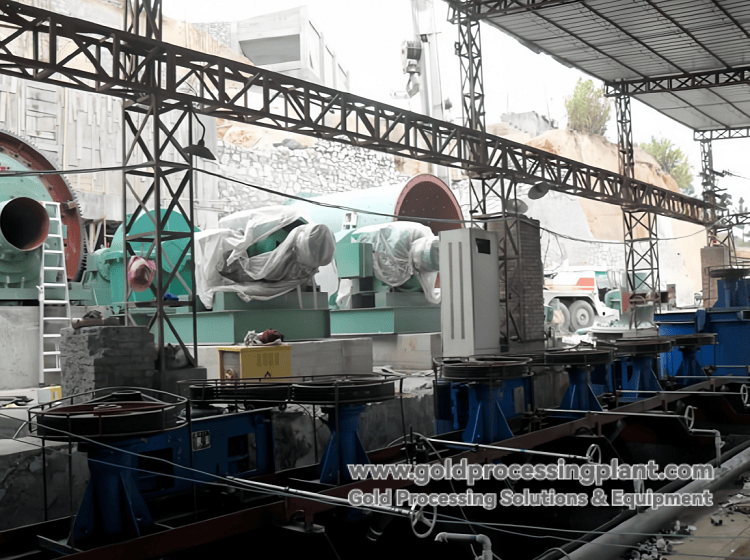
Ore washing and gravity separation equipment (the primary alternative to mercury plates): Cylindrical ore washers/spiral ore washers, trommel screens (including mobile units), chutes (spiral chutes, agitated/gold-adhering chutes), centrifugal separators (for recovering coarse and fine-grained gold), jigs, 6-S shaking tables/multi-deck shaking tables, and sand pumps.The key to mercury-free retrofitting of placer gold mines and small-scale mining sites lies in properly configuring this gravity separation combination—chutes for roughing, centrifuges for concentration, and shaking tables for fine selection, each performing its specific function.
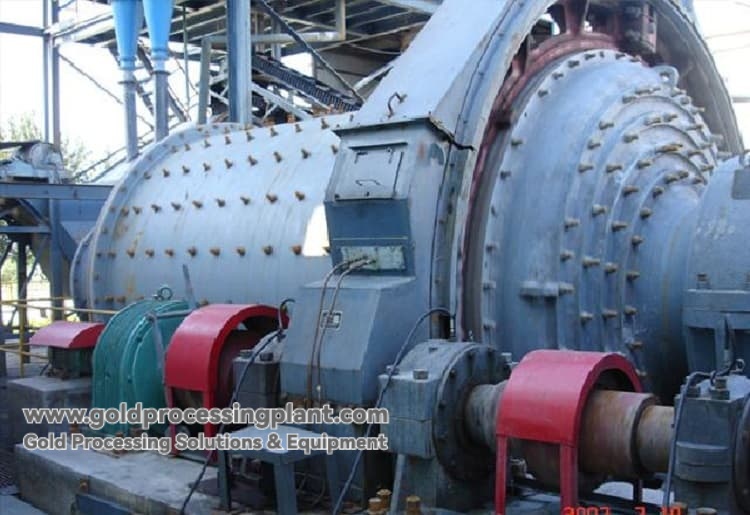
Crushing and grinding equipment (essential for mercury-free processing of rock gold deposits): jaw crushers, cone crushers, ball mills (grid type/overflow type), spiral classifiers/hydrocyclones.The fineness of grinding determines the degree of liberation and, consequently, the amount of gold that can be recovered through gravity separation and flotation.
Flotation Equipment: SF-type, XCF/KYF-type, BF-type, and JJF-type flotation cells, configured into roughing, scavenging, and concentrating units.
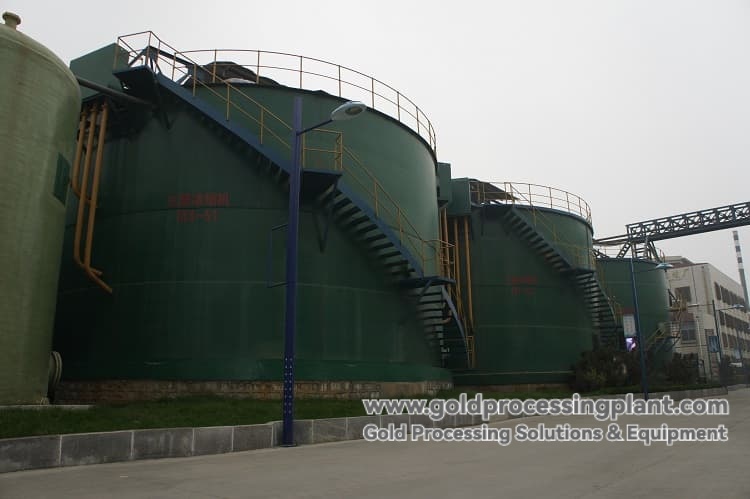
Leaching, Adsorption, Desorption, and Electrolysis Equipment: Leaching tanks, high-efficiency dual-impeller carbon-in-leach (CIL) tanks, activated carbon adsorption systems, carbon-separating screens, carbon lifters, ambient-temperature/atmospheric-pressure or high-temperature/high-pressure desorption and electrolysis equipment, and gold smelting furnaces; for heap leaching projects, these include base liners for heap leaching pads, spray systems, precious metal solution tanks, activated carbon adsorption columns, or zinc powder displacement units.
Environmental Protection Support Equipment: High-efficiency thickeners, plate-and-frame filter presses (for dry tailings disposal), cyanide-containing wastewater treatment systems (alkaline chlorination method, hydrogen peroxide method, etc.), flocculant dosing systems, recirculating water systems, and dust collection facilities.
GoldProcessingPlant operates two major in-house manufacturing bases in Shandong and Jiangxi, where the aforementioned core equipment is manufactured in-house. Process engineers and mechanical engineers collaborate as a unified team to ensure that equipment is manufactured according to process drawings, with precise interface compatibility and production capacity alignment.For mercury-free retrofit projects, we can provide individual gravity separation equipment replacements, complete gravity separation line configurations, or full-plant process retrofit solutions.
IV. How to Implement Green Upgrades: Retrofit Pathways and Timelines
Mercury-free retrofits fall into two categories:
Scenario 1: New projects designed directly for mercury-free processes. Starting from mineral processing tests, solutions are developed along the gravity separation/flotation/cyanidation routes, with equipment configured correctly from the outset to avoid redundant investment resulting from “installing mercury plates first and then retrofitting.”
Scenario 2: Retrofit of existing mercury-based operations. The process is as follows: Current status assessment (ore properties, existing process, points of gold loss in the mercury-based process) → Sampling and testing (gravity separation tests to determine coarse-grain gold recovery solutions; flotation/cyanidation tests as needed)→ Process design (replacing mercury plates with gravity separation equipment and supplementing the fine-grain gold recovery stage) → Equipment supply and installation guidance → Integrated commissioning and personnel training. The retrofit can be carried out in phases during maintenance windows to minimize production downtime losses.
Reference project timelines: For a new mercury-free gold processing plant, the timeline from the start of process design to production commencement is approximately 8–15 months; for the retrofit of existing mercury-amalgamation operations, the timeline is typically 3–8 months, depending on the scope of the retrofit. The timeline is even shorter for small-scale mobile gravity separation lines for placer gold.
GoldProcessingPlant does not require bundled services: Clients may opt to conduct mineral processing tests only, purchase process designs or engineering drawings only, procure gravity separation/leaching equipment only, or hire engineers for on-site commissioning only; a full turnkey EPC contract is also available. Initial testing and design fees can be fully offset against subsequent equipment or EPC contracts.
V. Quality Assurance: Environmental Protection and Recovery Rates Can Be Achieved Simultaneously
Many mine owners worry that “recovery rates will drop after mercury removal.” In reality, amalgamation only recovers coarse-grained free gold; fine-grained and entrapped gold are lost anyway;By replacing the process with a combination of gravity separation and flotation or cyanidation—where coarse gold is recovered by centrifuges and sluices, and fine gold is captured by flotation or leaching—the system\'s recovery rate is often higher than that of mercury-based operations. The key lies in properly configuring the gravity separation equipment, accurately determining the grinding fineness, and ensuring all subsequent recovery stages are fully implemented.
GoldProcessingPlant promises: Recovery rate targets are set based on ore characteristics and test data; commissioning objectives are specified in the contract; and reasonable acceptance criteria are agreed upon based on the same ore source and operating conditions;Environmental protection measures (tailings dry stacking, cyanide-containing wastewater treatment) are designed in tandem with the gold extraction process, eliminating the need for “retroactive environmental upgrades” after production begins; a 12-month warranty period is provided, during which spare parts are replaced free of charge for equipment quality issues; after the warranty expires, spare parts are supplied long-term, and process optimization recommendations are provided.The company adheres to the ISO 9001 quality management system, and its products are CE-certified. Projects span major gold-producing regions including Africa, South America, Central Asia, and Southeast Asia, with processing capacities ranging from 30 to 5,000 metric tons per day.
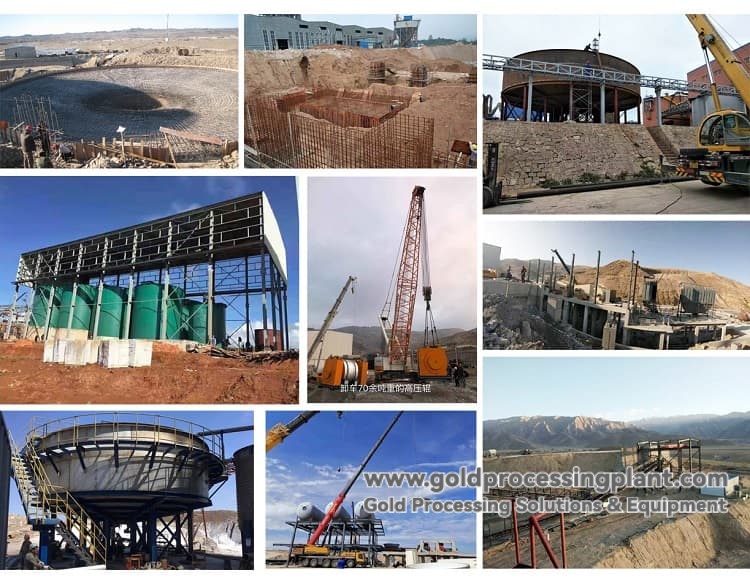
Mercury-free gold extraction replaces mercury, not profitability; it enhances environmental compliance and maximizes recovery rates. GoldProcessingPlant—Understand the mine first, then select the equipment.