Processing Equipment and Process Solutions for Large-Vein Gold Deposits | Efficient Gold Extraction to Boost Mine Value
Processing Equipment and Process Solutions for Large-Vein Gold Deposits | Efficient Gold Extraction to Boost Mine Value
Large-vein gold deposits are a highly representative type of ore body among rock-type gold deposits—characterized by thick veins, large reserves, and a close association between gold, quartz, and sulfides, with coarse-grained and fine-grained gold often coexisting.While this type of ore may seem “easy to process,” it actually harbors two hidden sources of loss: coarse-grained gold is repeatedly ground and overground in the grinding circuit, eventually ending up in the tailings along with the fine slurry; and fine-grained gold and gold-bearing sulfides are not sufficiently liberated, making them unrecoverable by flotation.Many processing plants struggle to achieve recovery rates above 80 percent, and the problem often lies in “insufficient recovery during gravity separation and incomplete flotation.” This article systematically explains the equipment configuration and process solutions for large-vein gold deposits based on their ore characteristics, helping mine owners recover all the gold they are entitled to.
I. Ore Characteristics and Processing Challenges of Large-Vein Gold Deposits
Large-vein gold deposits typically refer to quartz vein-type deposits and closely related fractured and altered rock-type gold deposits, characterized by vein-like ore bodies that are relatively thick and extend over long distances. Typical ore characteristics include:
Diverse forms of gold minerals. Gold primarily occurs as fissure gold and intergranular gold, with both coarse and fine-grained gold coexisting. Coarse-grained gold can reach millimeter-scale and is visible to the naked eye; fine-grained gold exists in microscopic form within sulfides such as pyrite or in the interstices of quartz grains.
Pyrite is the primary gold-bearing mineral. Gold is closely associated with pyrite, and in some ore zones, it is accompanied by arsenopyrite, chalcopyrite, and galena. Since gold occurs alongside sulfides, the flotation recovery of gold-bearing sulfides is one of the primary processing routes.
The gangue consists primarily of quartz, accompanied by alteration minerals such as sericite. High quartz content results in higher energy consumption and greater abrasiveness during grinding; an increase in the content of altered, clay-like minerals can adversely affect flotation foam and concentrate grade.
This translates to three main challenges in mineral processing:
- Loss of coarse-grained gold due to overgrinding. Coarse-grained free gold is repeatedly ground in the ball mill; once it becomes too fine, it is difficult to recover via gravity separation or flotation, and it also “plates” onto the liner plates and steel balls in the grinding circuit.
- Insufficient liberation of fine-grain gold. If the grinding fineness is inadequate, gold-bearing sulfides are not sufficiently liberated from the gangue, resulting in poor flotation selectivity and low concentrate grades.
- Incomplete recovery of both coarse and fine-grained gold using a single process. If only gravity separation is used, fine-grained gold cannot be recovered; if only flotation is used, coarse-grained gold is already lost in the grinding stage. A combined process is essential.
II. Recommended Process Scheme: Combined Gravity Separation and Flotation, with Streams Divided Based on Ore Conditions
GoldProcessingPlant\'s recommended main process for large-vein gold deposits is a “combined gravity separation and flotation” approach, implementing the principle of “early and maximum recovery” in the grinding circuit:
Step 1: Crushing and grinding, with gravity separation to capture coarse-grained gold. Use a jaw crusher for coarse crushing and a cone crusher for medium and fine crushing, adhering to the principle of “more crushing, less grinding”;A centrifugal separator (such as a Nelson centrifuge) or a jig is installed in the grinding circuit to recover liberated coarse-grain free gold early in the grinding and classification cycle, thereby preventing loss due to over-grinding.After further concentration on shaking tables, the gravity concentrate can be directly smelted to produce gold of commercial grade or sold as high-grade concentrate.
Step 2: Flotation enrichment of gold-bearing sulfides. Gravity separation tailings are fed into the flotation process, which employs either a “one rough, two clean, two scavenger” or “one rough, three clean, three scavenger” flow sheet. Through the use of pH adjusters, activators, collectors, and frothers, gold-bearing sulfides such as pyrite are floated to the surface along with the gold, producing a gold concentrate.The flotation concentrate is sent to a smelter for processing or undergoes cyanide leaching on-site.
Step 3: Classify the tailings based on ore conditions. If the gold grade in the flotation tailings remains relatively high, the ore is highly oxidized, and it does not contain interfering elements such as copper, arsenic, antimony, or carbon, cyanide leaching (CIL/CIP) of the tailings or the whole ore may be considered as a backup process;If the ore consists of primary sulfide ore and gold is primarily hosted in sulfides, the flotation concentrate can be subjected to cyanidation or sold to a smelter, while the tailings are directly dewatered and discharged.
Criteria for process selection: the form of gold (proportion of free gold, type of gold-bearing minerals), degree of oxidation, content of interfering elements, and proportion of coarse-grained gold. These factors must be determined based on mineral processing test data—process parameters for quartz vein-type ore bodies often differ from those for altered rock-type ore bodies, so a single set of parameters cannot be applied across the entire mine.
III. Configuration of Core Processing Equipment
Crushing and Screening: Jaw crusher (primary crushing), cone crusher (secondary and tertiary crushing), circular vibrating screen/linear vibrating screen, vibrating feeder, belt conveyor.For hard rock crushing, the “jaw crusher + cone crusher” combination is preferred, as it produces uniform particle sizes and offers good wear resistance.
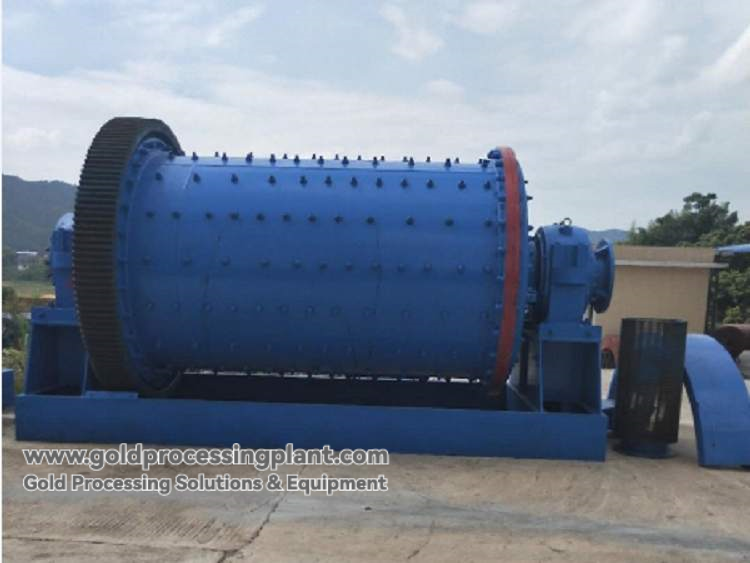
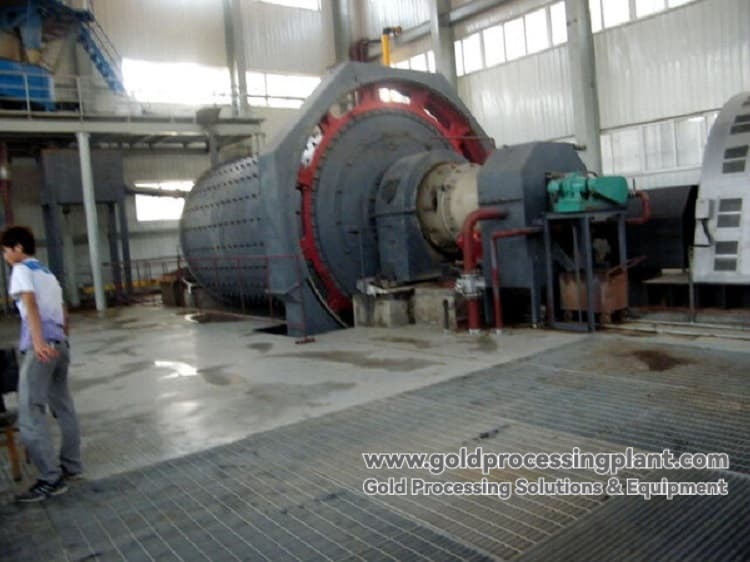
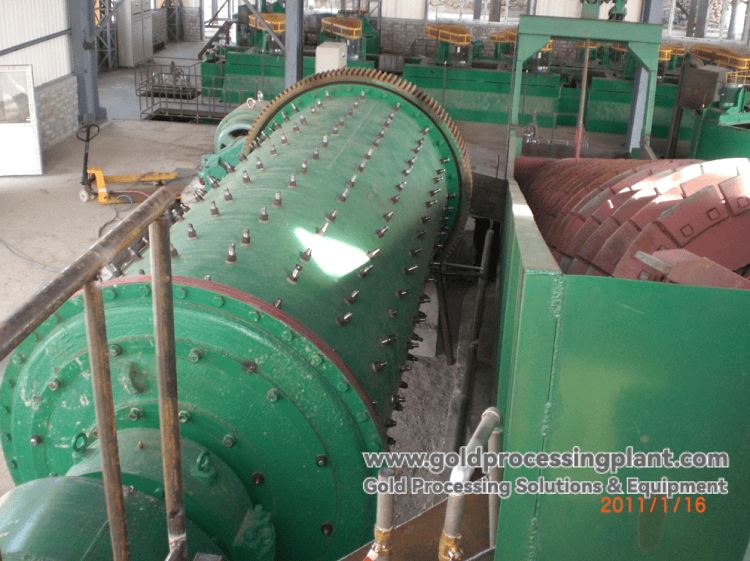
Grinding and Classification: A two-stage grinding process consisting of a grid-type ball mill (first stage, with forced discharge to prevent over-grinding) and an overflow-type ball mill (second stage, for fine grinding), or a single-stage grinding process configured according to plant scale; supplemented by a closed-circuit system using a spiral classifier or hydrocyclone.The grinding fineness is determined based on gold liberation tests.
Gravity separation equipment: Centrifugal separator (the primary equipment for recovering coarse free gold from the grinding circuit), jig (for coarse-grain fractions, high throughput), shaking table (6-S shaking table/multi-deck shaking table, for fine-grain concentration), and spiral chute (for roughing and tailings disposal).Gravity separation equipment is positioned at key points in the grinding and classification circuit, directly affecting the recovery rate of coarse-grain gold.
Floating equipment: SF type (self-priming, suitable for roughing and pre-scavenging), XCF/KYF type (air-injection, preferred for large-scale operations), and the full range of BF and JJF types, combined to form roughing, scavenging, and concentrating units. Floatation cell selection is matched to processing capacity and aeration requirements.
Concentration and Dewatering: High-efficiency thickeners, plate-and-frame filter presses (for concentrate dewatering and dry tailings disposal), and dewatering screens.
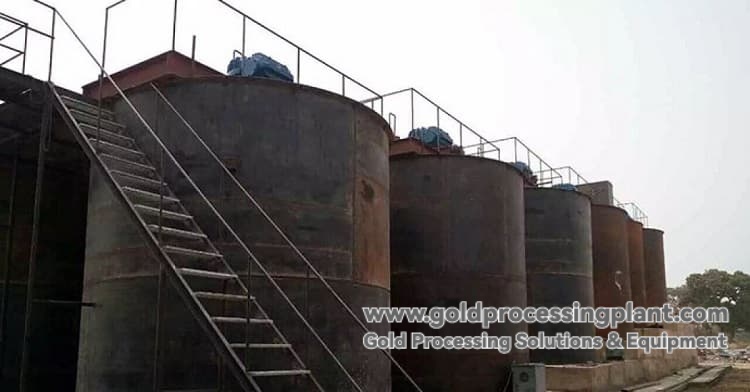
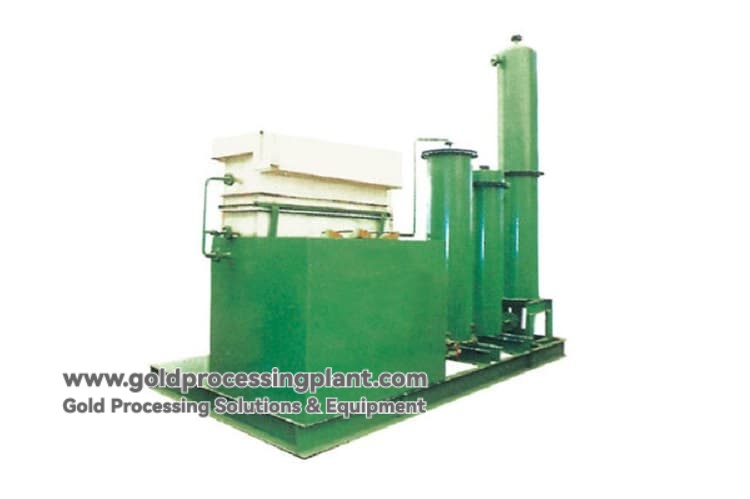
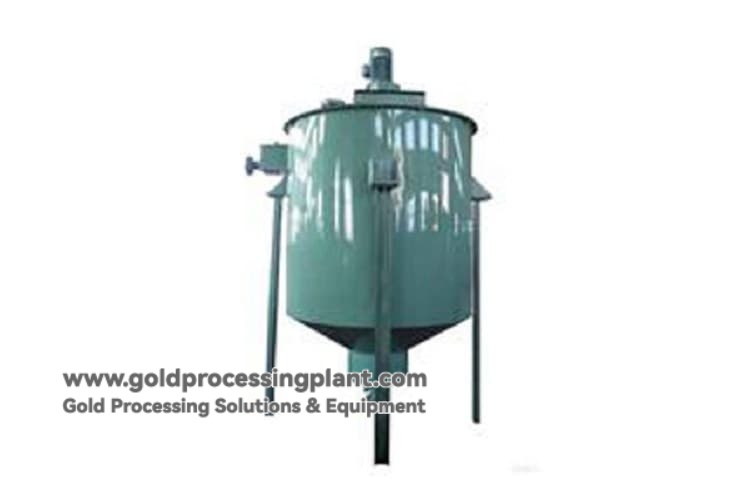
Cyanide Gold Extraction (Configured as Needed): If the process includes a cyanidation stage, it is equipped with leaching tanks, activated carbon adsorption systems (CIL/CIP), desorption and electrolysis equipment, gold smelting furnaces, and zinc powder displacement units.
GoldProcessingPlant operates two major in-house manufacturing bases in Shandong and Jiangxi. The core equipment for the aforementioned crushing, grinding, gravity separation, flotation, leaching and adsorption, and thickening and dewatering processes is manufactured in-house. Process engineers and mechanical engineers collaborate as a unified team to ensure equipment is manufactured according to process drawings, with precise interface compatibility and seamless integration of production capacities.For highly siliceous, abrasive ores, flow-path components can be upgraded to high-chromium alloys or wear-resistant rubber; for acidic leaching environments, custom corrosion-resistant stainless steel or lined coatings can be provided.
IV. Implementation: The Collaboration Path from Ore Samples to Gold Production
For the implementation of large-vein gold mine projects, we recommend proceeding along the following path:
Step 1: Mineral Processing Testing and Process Validation. Representative ore samples are collected to conduct gravity separation tests, open-circuit and closed-circuit flotation tests, and, if necessary, comparative cyanide leaching tests to determine the proportion of coarse-grained gold, grinding fineness, number of flotation stages, and reagent regimens. The test report directly includes a list of selected equipment and a preliminary budget.
Step 2: Process Design and Engineering Drawings. Prepare process flow diagrams, equipment configuration lists, plant layout plans, equipment foundation drawings, and civil engineering requirement drawings for use in civil construction bidding and on-site organization.
Step 3: Equipment Manufacturing and Supply. Manufacture core equipment according to the drawings, coordinate the procurement of auxiliary materials such as pumps, piping, and electrical controls, and ship the equipment after factory quality inspection.
Step 4: Installation Guidance and Integrated Commissioning. Engineers are dispatched to the site to supervise equipment positioning, pipeline connections, and electrical installation; they lead individual unit commissioning and integrated commissioning with feed material; optimize grinding fineness, flotation reagent regimes, and gravity separation parameters until qualified gold concentrate or blended gold is produced; and provide theoretical and hands-on training to the client\'s team.
GoldProcessingPlant does not require bundled services: clients may opt for testing only, purchase drawings only, procure equipment only, or hire engineers for commissioning only; alternatively, a full EPC turnkey solution is available. Initial testing and design fees can be fully offset against the cost of subsequent equipment or EPC contracts.For standard projects, the timeline from the start of process design to production commencement is approximately 8–15 months; the total project duration can be shortened by appropriately overlapping various phases. For overseas projects, a buffer period for customs clearance must be factored in.
V. Quality Assurance: Metrics Based on Ore, Commitments Stipulated in the Contract
Recovery rates for large-vein gold deposits are determined by the inherent characteristics of the ore—the proportion of coarse-grained gold, the types of gold-bearing minerals, the grain size distribution, and associated elements—each of which influences the final performance metrics.GoldProcessingPlant does not commit to absolute figures divorced from ore sample data; rather, we commit to designing a process for your ore that achieves the highest recoverable rate feasible under the given conditions through rigorous process design and tailored equipment configuration;Commissioning targets are specified in the contract, with reasonable acceptance criteria agreed upon based on the same ore source and operating conditions; the warranty period is 12 months, during which spare parts for equipment quality issues are replaced free of charge; after the warranty period expires, we provide long-term spare parts supply and process optimization recommendations.
Our projects span Africa (Ghana, Mali, Tanzania, Sudan), South America (Peru, Colombia),Central Asia (Russia, Kazakhstan), and Southeast Asia—covering processing capacities ranging from 30 to 5,000 metric tons per day and encompassing rock gold, placer gold, difficult-to-process ores, and tailings reprocessing.The recovery of coarse-grain gold from quartz vein-type and skarn-type large-vein gold deposits, along with the configuration of integrated processing flowsheets, is precisely where we excel.
When processing large-vein gold deposits, it\'s not just about selecting a single centrifuge or flotation machine—it\'s about having a team that understands how to extract coarse-grain gold, recover fine-grain gold, and ensure seamless integration between processes and equipment. GoldProcessingPlant—First, understand the ore; then, select the equipment.